

Ghana hit by nationwide blackout as power plants fail
The massive outage has left homes, businesses and some essential services severely disrupted.
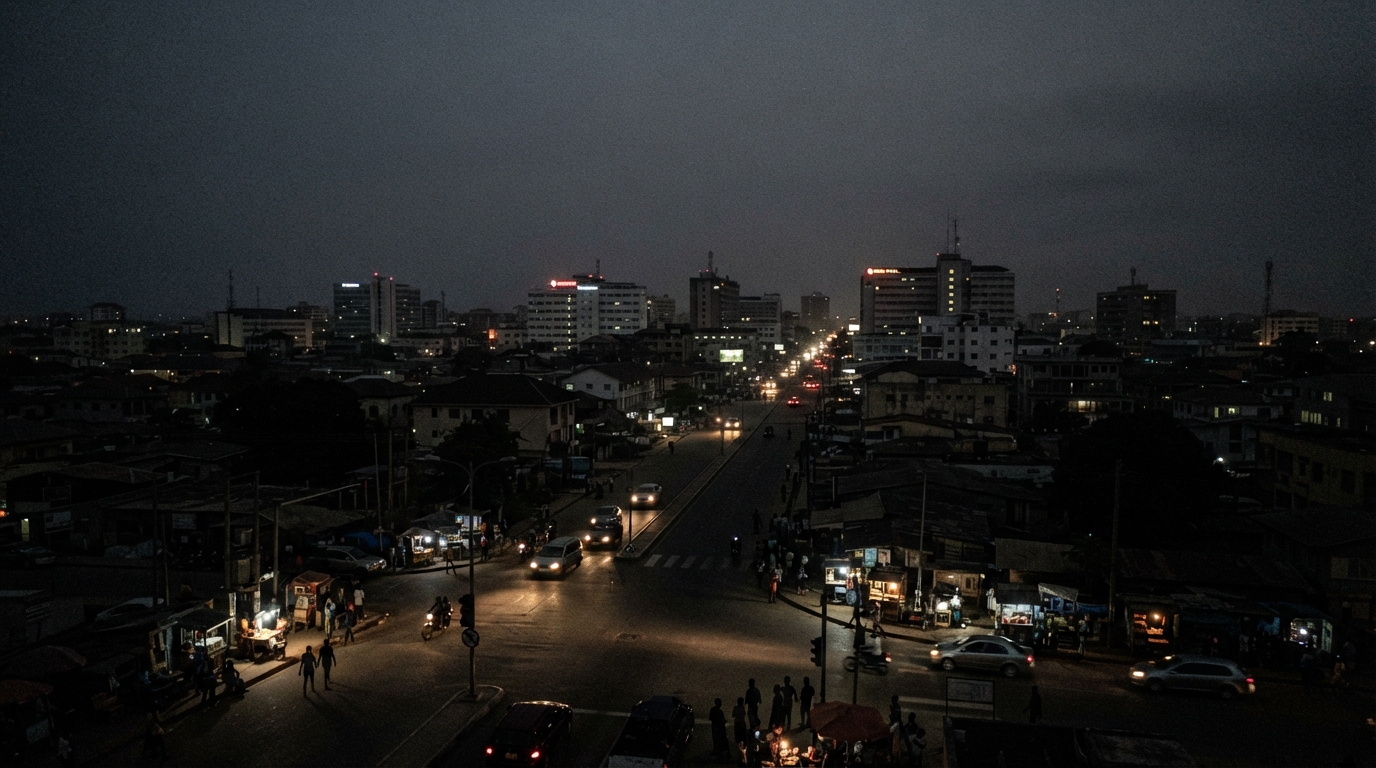
Ghana is experiencing a nationwide power outage due to a significant malfunction within its national power grid, leading to widespread blackouts across the country. The capital city, Accra, the commercial center of Kumasi, and much of northern Ghana are currently without electricity.
The state-run power distribution company reported that multiple power plants across the West African nation ceased operations in the early hours of Wednesday morning. Ghana Grid Company Limited (GRIDCo) issued a statement confirming the situation, saying, "Our engineers and system operators are working continuously to restore power in the shortest time possible without compromising safety."
This latest power cut has impacted homes, businesses, and essential services across numerous regions. Commuters faced difficulties getting to work, with uncharged phones hindering payment for transport and the ordering of ride-sharing services like Uber. Small businesses and individuals reliant on digital services have also been affected, though larger institutions such as hospitals typically have backup generators.
GRIDCo has initiated a thorough technical investigation to pinpoint the cause of the outage. The power utility firm has not provided an estimated timeframe for the resumption of normal electricity supplies.
Ghana has a history of regular power shortages, colloquially known as "dumsor" – an Akan term meaning "on and off" – though the situation had shown improvement recently.
As one of the world's leading producers of gold and cocoa, Ghana has increasingly turned to gas-fired electricity generation in recent years to meet growing demand from its expanding and urbanizing population. The majority of the country's electricity is produced by aging hydropower plants, which have suffered from inadequate maintenance over time. While the introduction of gas has helped alleviate power cuts, the sector remains susceptible to transmission failures and disruptions in fuel supply.