

Georgia has denied entry to nearly 500 citizens of Uzbekistan since the beginning of the year
The main reasons for this were the inability to clearly explain the purpose of the visit, the lack of hotel bookings and return flight tickets, as well as the inability to confirm the availability of a medical insurance policy and sufficient financial funds.
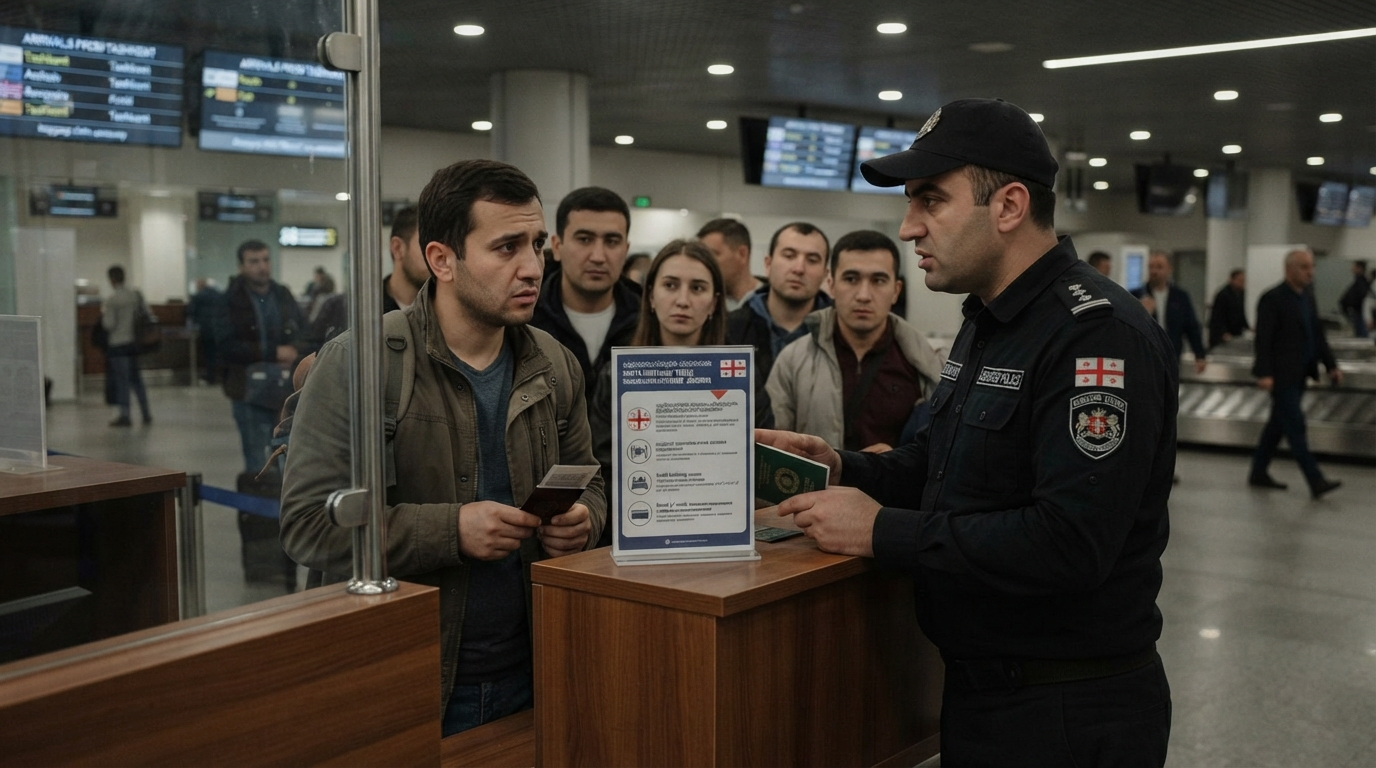
Georgia has denied entry to nearly 500 Uzbek citizens since the beginning of the year
Starting January 1, 2026, Georgia began requiring all foreign citizens arriving for tourist purposes to hold a mandatory health insurance policy, failing which they may be denied entry into the country.
According to data, in the first 9 months of 2026, a total of 711 passengers were denied entry to the country at Georgian airports, 473 of whom were citizens of Uzbekistan.
It is noted that the main reasons for denying citizens entry were the inability to clearly explain the purpose of the trip, the lack of hotel reservations and return flight tickets, as well as the inability to confirm the availability of a health insurance policy and sufficient financial funds.
Under the new regulations, tourists are required to present a valid health and accident insurance policy in paper or electronic form, issued in Georgian or English. The minimum insurance coverage amount must be 30,000 GEL (11,154.88 USD). The policy must cover the entire period of the tourist's stay in Georgia.
For this reason, citizens planning to visit Georgia are advised to clearly determine the purpose of their trip in advance, prepare the relevant documents and financial funds, and answer questions confidently at border control.
Certain categories of individuals, such as diplomats, staff of international organizations, and international freight drivers, are exempt from the mandatory insurance requirement.
Earlier, it was reported that 59 illegal migrants were detained in Georgia, among whom there were also Uzbek citizens. Since the beginning of the year, the number of foreigners deported from the country has reached nearly 3,000 people.