

French former minister on trial over alleged Renault-Nissan lobbying
Rachida Dati, 61, is accused of taking money from the carmaker in return for political influence.
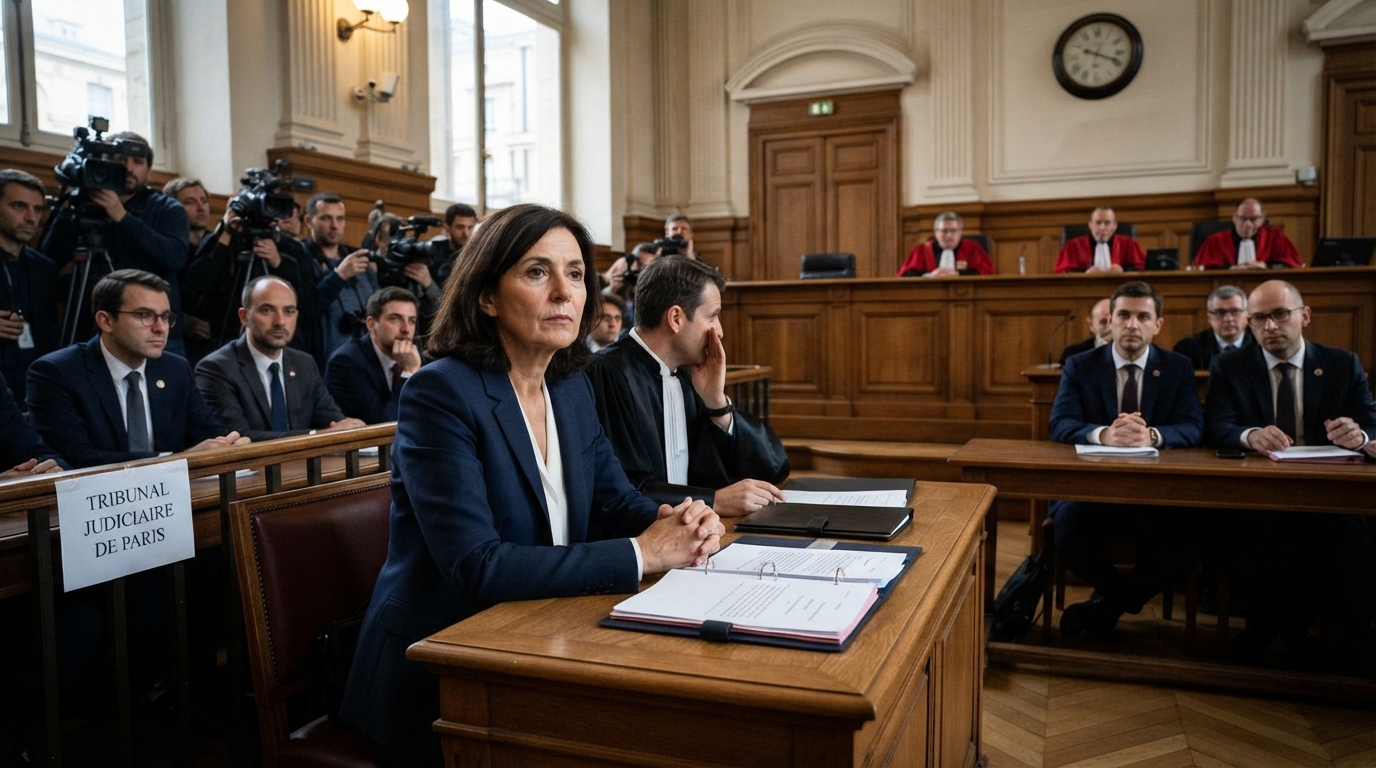
French ex-minister faces trial over alleged Renault-Nissan lobbying
Former French minister Rachida Dati has appeared in court in Paris on corruption charges, accused of receiving money from Renault-Nissan in exchange for political influence.
Dati, 61, who served as justice minister under former President Nicolas Sarkozy and as culture minister under Emmanuel Macron, is known to have received €900,000 (£770,000) from the carmaker between 2009 and 2013.
Under a contract signed in 2009, shortly after she stopped serving as a minister under Sarkozy and was elected to the European Parliament, the money was said to be for legal services carried out for the company.
However, magistrates say the agreement was used to conceal payments for lobbying. Dati denies the accusations.
Magistrates believe Renault-Nissan’s former chief executive Carlos Ghosn enlisted Dati to lobby for the company in the European Parliament and to help arrange contacts with Sarkozy, who remained head of state until 2012.
Ghosn, 72, is also on trial and denies any wrongdoing. He will not be present in court, as he has been a fugitive in Lebanon since 2019.
Dati’s lawyers plan to challenge the charges, which, if proven, carry a maximum penalty of 10 years in prison, a substantial fine, and a five-year ban on holding public office.
That could force her to give up the mayorship of Paris’s wealthy 7th district, a post she has held since 2008.
Dati returned to national politics in 2024 as culture minister but stepped down in February to run for mayor of Paris.
She was defeated by Socialist candidate Emmanuel Grégoire after a campaign in which her upcoming trial was cited as an argument against her.
Anti-corruption groups acting as civil plaintiffs in the case say France needs stricter legal limits on political lobbying.
“The affair illustrates the risks of public decision-making being captured by private interests,” said Patrick Lefas of Transparency International France.