

Four countries offer to use Russian assets for Ukraine's benefit
Sweden, Poland, the Netherlands and Spain have called on the European Commission to explore new options for using frozen Russian assets to support Ukraine. The four countries have proposed that the financial and economic risks associated with such a decision should be shared among all EU members.
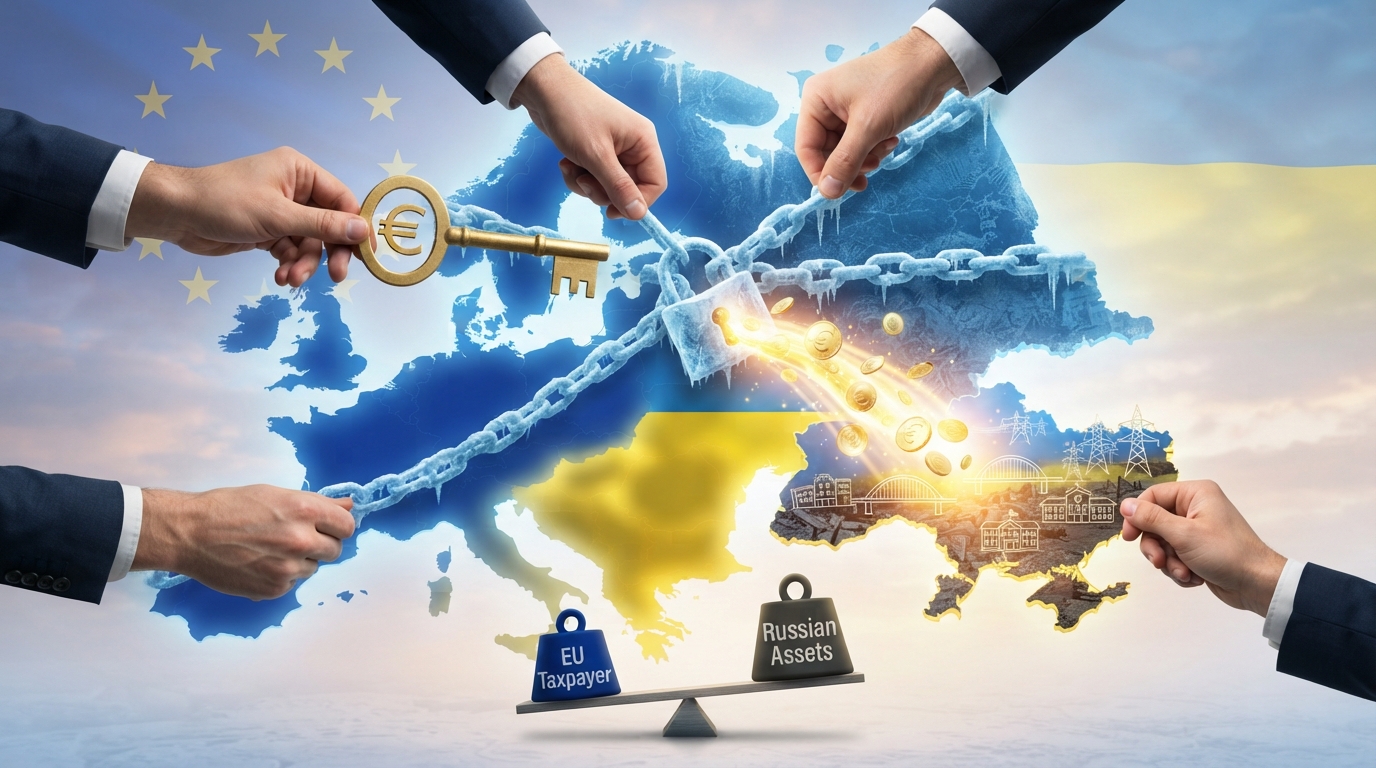
The proposal to use Russian assets in the interests of Ukraine was put forward in a joint letter from the foreign ministers of the four countries, which was received by DW on August 27.
The authors of the letter proposed that the European Commission's technical experts, in cooperation with the EU countries, develop and study new mechanisms for using frozen Russian assets in the interests of Ukraine. It was emphasized that the potential risks should be distributed equally among all member states and no country should be disproportionately burdened. Also, when evaluating the proposals, financial and economic risks and their compliance with international law should be one of the main factors.
**"A loan of 90 billion euros to Ukraine will not be enough"**
The four countries explained the need to return to the issue of Russian assets by the growing financial needs of Ukraine. While the EU's €90 billion loan for Ukraine for 2026-2027 is important, the letter's authors say it will not be enough. They note that the costs of the war are rising as Russia continues its offensive. Therefore, Kiev may need additional financial assistance in the short and long term.
The four countries believe that using Russia's frozen assets would, on the one hand, help Moscow assume financial responsibility for the damage caused to Ukraine, and on the other, reduce the burden on European taxpayers. This mechanism is also seen as a means of increasing pressure on Moscow.
Polish Foreign Minister Radoslaw Sikorski also supported the initiative. He believes that Russia will not be able to get these funds back until it pays reparations to Ukraine. Therefore, it makes sense to direct the assets to protect Ukraine now, rather than waiting for the war to end and then spending them on rebuilding Ukraine.
**European Commission: There was not enough support to move forward with the plan**
European Commission spokesman Balázs Ujvari told a briefing in Brussels that the issue of providing Ukraine with a "reparation loan" at the expense of Russia's frozen assets had not been officially removed from the agenda after the EU summit in December 2025.