

Ebola outbreak in Congo could turn deadly
The spread of Ebola fever in the Democratic Republic of Congo has reached a record high. The WHO predicts that the current epidemic could surpass all previous outbreaks.
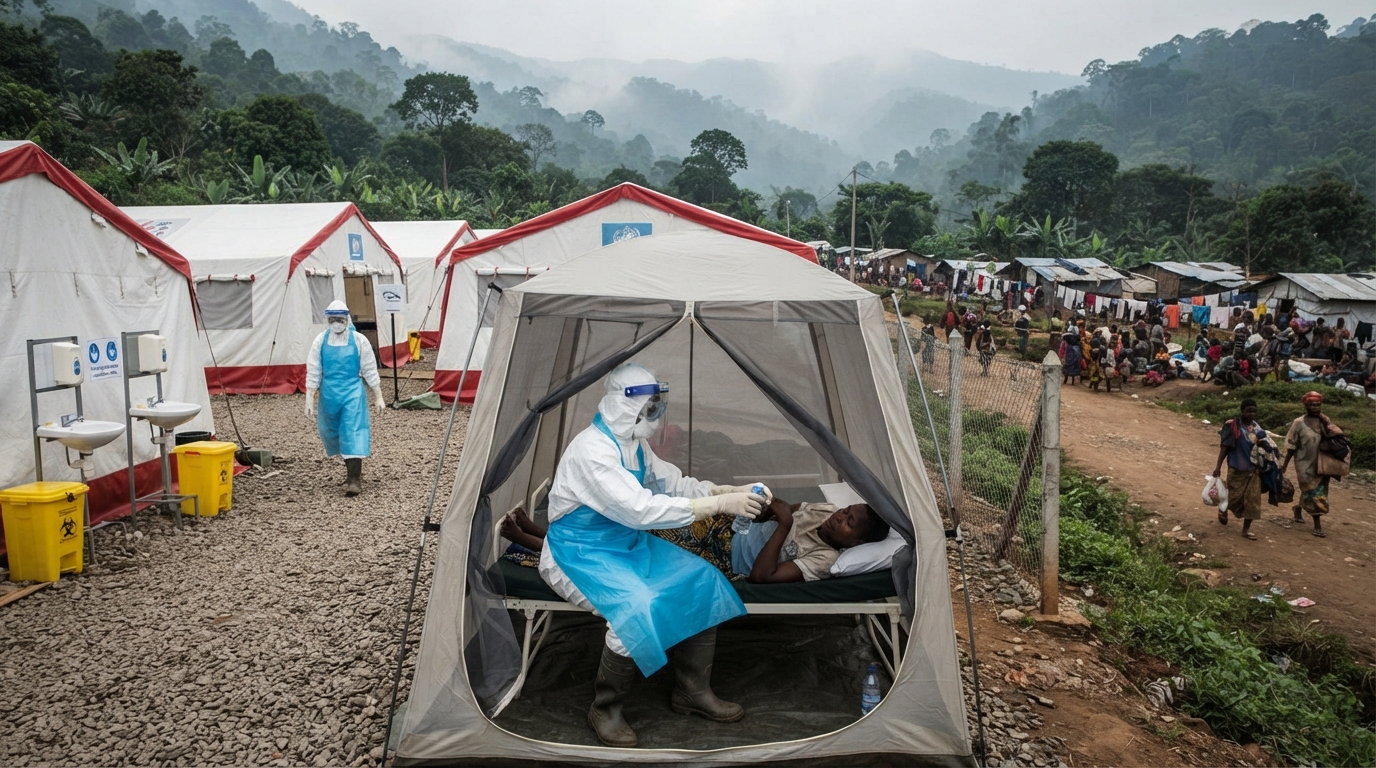
**Congo Ebola outbreak risks becoming unprecedentedly deadly**
The Democratic Republic of Congo (DRC) is facing its worst Ebola outbreak in its history. The number of laboratory-confirmed cases of the Bundibugyo strain has surpassed 5,000, with 2,378 deaths, according to government figures provided to Reuters on August 18. The toll now surpasses the previous major Ebola wave from 2018-2020.
The United Nations (UN) says the outbreak is the second-worst in the world after the 2014-2016 Ebola outbreak in West Africa, which killed more than 11,000 people. The current outbreak is also the fastest growing in recorded history.
The World Health Organization (WHO) Director-General Tedros Adhanom Ghebreyesus has warned that "at the current pace" the Ebola outbreak in Congo risks becoming the deadliest in the history of the disease. He said the situation has deteriorated sharply in the past three months. Armed clashes in eastern DRC between government forces and the M23 rebel group and the influx of refugees are exacerbating the outbreak.
"Let's be honest, we are a long way from bringing the epidemic under control," the WHO chief said.
Outside Congo, cases of Ebola fever have also been reported from abroad. According to WHO, two more countries have confirmed cases of the disease: Uganda with 20 cases and two deaths, and France with one case. The French patient was discharged from hospital on July 4, where he was working as part of a humanitarian mission in Congo.
On May 15, health authorities in the DRC announced the detection of an outbreak in the northeastern province of Ituri, and the current Ebola outbreak. On May 17, the WHO declared it a public health emergency of international concern.
Ebola virus disease is a rare, severe disease with a high mortality rate. Ebola fever is caused by viruses in the Orthoebolavirus genus of the filovirus family. Six orthoebolaviruses have been identified to date, three of which – Ebola virus, named after a river in the Congo, Sudan virus, and Bundibugyo virus – can cause large-scale epidemics.
The 2026 outbreak was caused by a rare strain of Ebola virus, Bundibugyo (BDBV). It was first identified in 2007. There are currently no approved drugs or vaccines against this strain of the virus. Vaccine trials are underway in Canada and Britain, but initial results are not expected until several months later, the UN reported on August 11.