

Ebola death rate in Congo reaches 46 percent
The current Ebola outbreak in the Democratic Republic of Congo has become the deadliest in the country's history, with the latest figures showing the death toll from the disease at 2,325 and the number of confirmed cases at 4,945.
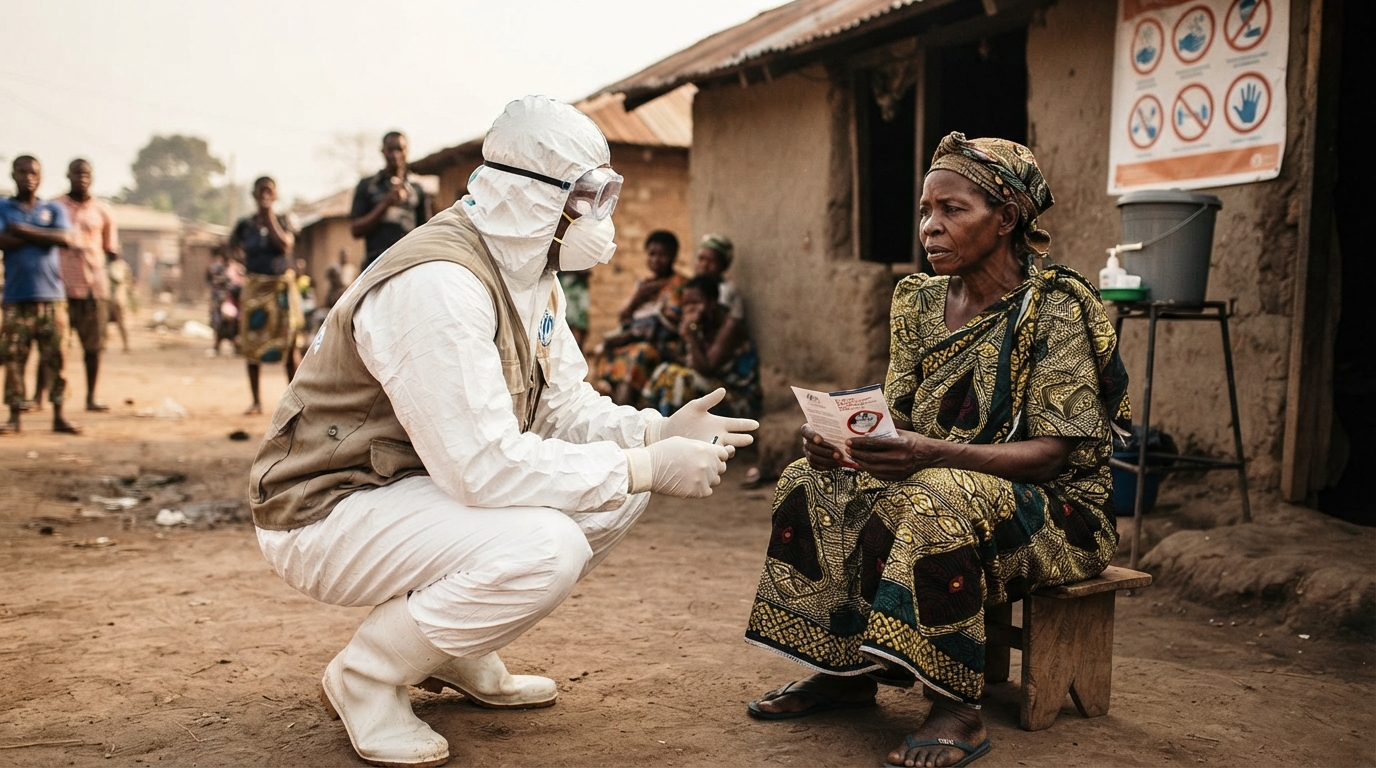
The Ebola death rate in the Democratic Republic of Congo has reached 46 percent.
The death toll from the current Ebola outbreak in the Democratic Republic of Congo has surpassed that of any previous outbreak in the country, the National Institute of Health in the Democratic Republic of Congo said late on August 16.
So far, 4,945 people have been laboratory-confirmed to have contracted the virus, and 2,325 have died. This is higher than the Ebola outbreak in Congo from 2018 to 2020, when the country reported nearly 3,500 cases and nearly 2,300 deaths.
The largest Ebola outbreak in history was in West Africa from 2014 to 2016, when Guinea, Liberia, and Sierra Leone reported 28,616 cases and 11,310 deaths.
One of the most worrying aspects of the current outbreak is the rapid spread of the virus. According to Reuters, it took about five months for the 2014-2016 West African outbreak to reach 1,000 deaths. In the current outbreak in Congo, more than 2,000 people have died in less than three months.
According to the Congolese government, the mortality rate among those infected was about 20 percent in early June, but now it has risen to 46 percent.
Experts say that this increase may not mean that the virus itself has become more dangerous. Rather, it may be due to shortcomings in the country's system for tracking the spread of the infection and the inability of patients to access medical services in a timely manner.
The current Ebola outbreak in Congo is the 17th outbreak recorded in the country. This time, the disease is caused by a relatively rare variant of the Ebola virus, Bundibugyo. According to the source, there is currently no approved vaccine or specific treatment for this variant.
Ebola can be transmitted through direct contact with the blood or other body fluids of an infected person. The virus causes severe hemorrhagic fever and, in some cases, death.
Over the past 50 years, more than 15,000 people have died in Africa as a result of Ebola-related epidemics.
In the current situation, experts emphasize the importance of early detection of the disease in Congo, control of the spread of infection and expanding access to health services for the population.