

Criminal liability has been established for violation of the right to immunity
In Uzbekistan, the scope of persons possessing the right to immunity and privilege, as well as the procedure for proceedings concerning them, has been clarified. The new law also establishes criminal liability for violating immunity and privilege rights.
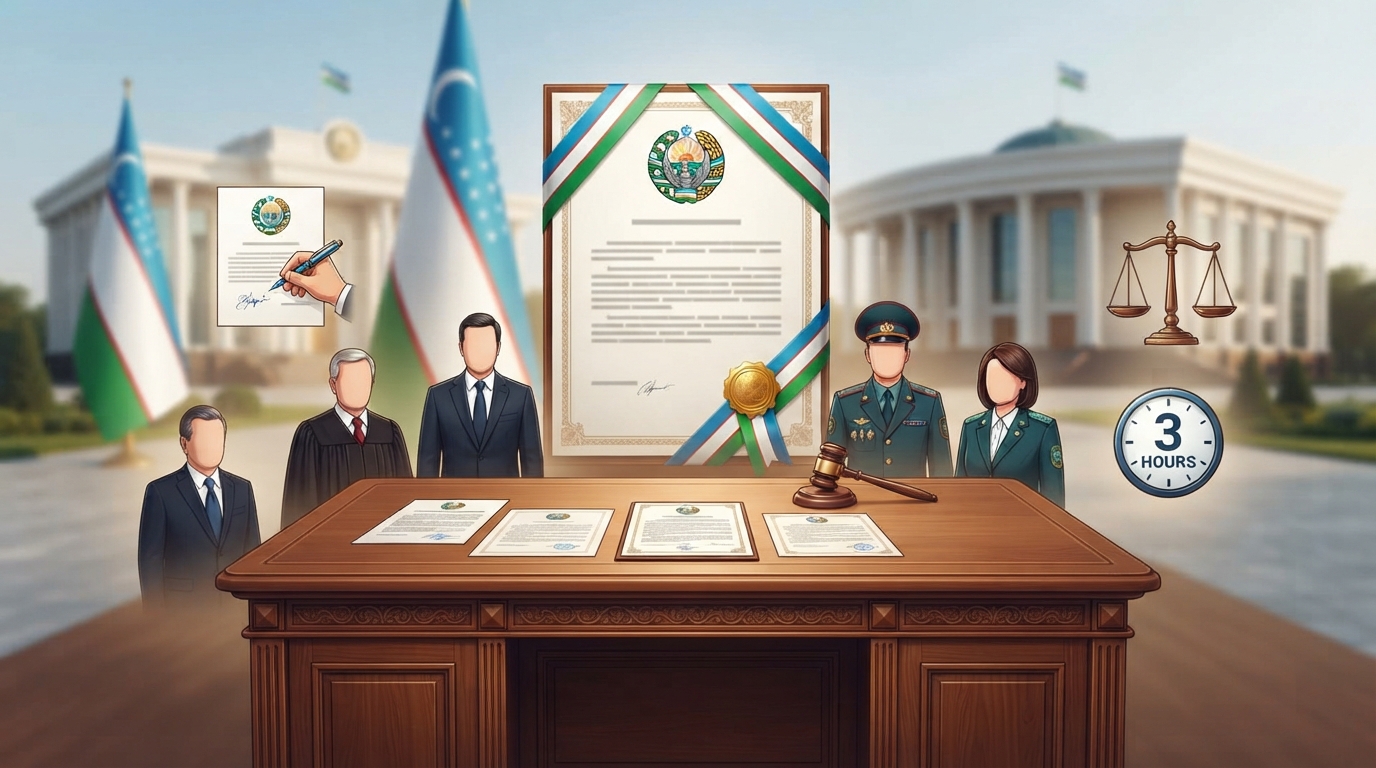
Criminal liability established for violating the right to immunity
By a law signed by the President of Uzbekistan on October 14, a special procedure for proceedings in respect of persons possessing inviolability and immunity was established.
Persons with inviolability include: deputies of the Legislative Chamber and members of the Senate of the Oliy Majlis; the authorized person for human rights (ombudsman); the commissioner for children's rights; judges; prosecutors, investigators, and inquiry officers; lawyers; members of the Central Election Commission; presidential candidates (during the period of their candidacy status), and others.
Management personnel of the Presidential Administration, meanwhile, enjoy inviolability for five years after leaving office for actions or inactions not related to the performance of duties assigned to them in the Presidential Administration.
The President of the Republic of Uzbekistan; officials of the Presidential Administration and their family members are considered persons possessing immunity.
In addition, management personnel of the Presidential Administration possess immunity regarding decisions made, actions or inactions committed in connection with the performance of duties assigned to them in the Presidential Administration.
Members of parliament possess immunity for voting and expressing their opinions.
A person enjoying inviolability cannot be detained or brought to a law enforcement agency, except in cases of detention for up to three hours on the grounds provided for in Clause 1 of Article 221 of the Code of Criminal Procedure (if a person is caught during the commission of a crime or immediately after committing it).
To bring persons enjoying inviolability to criminal liability, the consent of the relevant chamber, the President, or another authorized body is required. For example, for deputies — the relevant chamber's consent; for management personnel of the Presidential Administration — the written consent of the President based on a submission by the Prosecutor General.