

Concern more horses being given up over rising costs
An Oxfordshire animal welfare charity says its Burford site is taking in 20 to 30 horses a month.
**Mounting Expenses Lead to Rise in Horse Relinquishments**
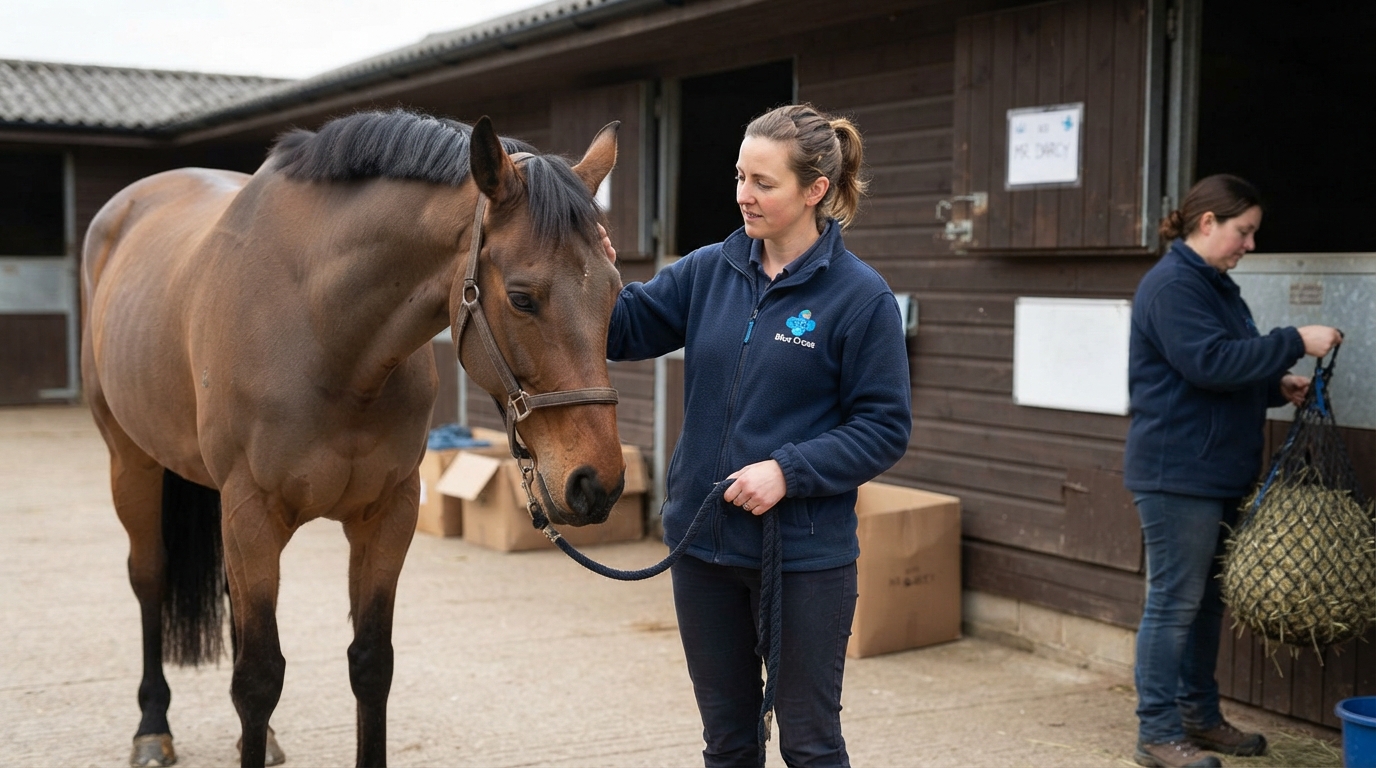
The escalating expenses associated with horse care are placing a growing burden on owners, prompting an animal welfare organization to report a surge in horses being surrendered. Mr. Darcy, for instance, is currently being readied for a new home after his owner was no longer able to keep him.
The Blue Cross, located in Burford, Oxfordshire, indicates that this year's dry weather has exacerbated the problem, resulting in hay shortages and elevated feed costs. The facility is presently admitting 20 to 30 horses monthly, and the charity's UK-wide operations have observed a "160% surge in relinquished horses in recent years."
Freya Long, an admissions coordinator, notes, "There's no grass, very little hay. I've started getting an increase in requests and I can only imagine it'll get higher with the cost of living." The charity emphasizes that owner costs extend far beyond feed, encompassing essential veterinary care, vaccinations, worming, and farrier visits, all crucial for a horse's well-being.
Vicki Alford, manager of the horse center, states, "It all adds up. We are finding, unfortunately, that people are contacting us because they can't financially look after their horses anymore." Alford encourages owners facing difficulties to reach out for assistance.
In 2025, the RSPCA determined that the equine crisis had evolved from outright abandonment to a broader spectrum of welfare concerns. Their research pinpointed several contributing factors, including insufficient:
* Practical knowledge, skills, and experience in equine care.
* Suitable facilities and space for turn-out, grazing, and socialization.
* Provision and planning for the lifetime welfare and care of horses.
The charity attributed these issues to be amplified by the rising cost of living in recent years.
The Blue Cross urges owners to seek help proactively, before financial strains begin to compromise their animals' welfare. Alford reiterates, "We absolutely encourage this, we want people to come to us..........before their horses get too far down the line. Please come to us. We are here to help and we will not judge."