

Cl0p hackers with ties to Russia target major companies
The hacking group Cl0p, which is said to be linked to Russia, has announced that it has stolen a large amount of data from nearly 50 companies around the world, including major international companies such as Philips, Shell, Fiserv, and General Electric.
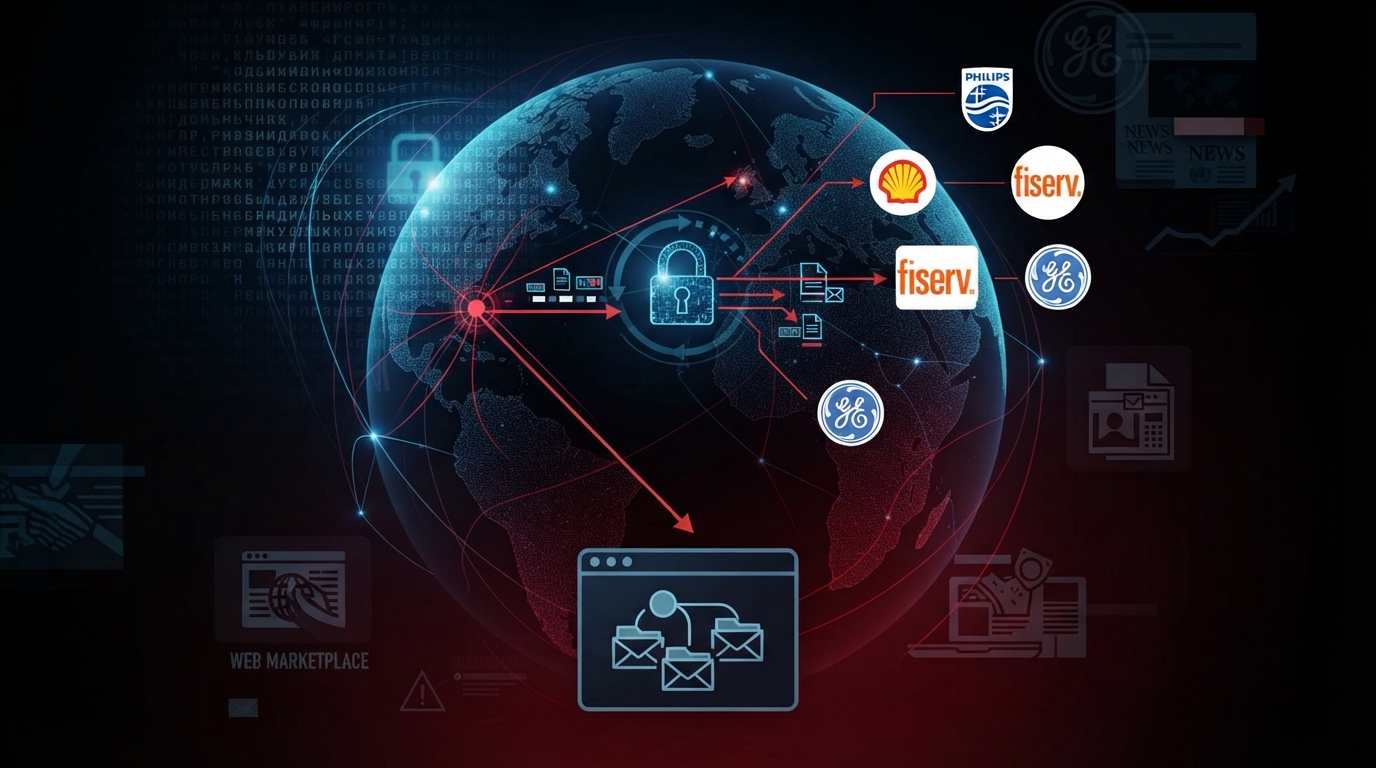
**Russian-linked Cl0p hackers target large companies**
The Cl0p hacking group, known for exploiting software vulnerabilities to launch cyberattacks on multiple targets at once, Reuters reported late on August 14. This time, the hackers claim to have obtained a large amount of data from the systems of about 50 companies. The list also includes Dutch Philips, British Shell, US Fiserv and General Electric.
The companies, however, reacted cautiously to the hackers' statement. Philips said that the cyberattack attempt was detected on a specific corporate server related to internal data and its spread was limited. According to the company, the incident did not affect systems used by customers.
A Fiserv representative also said that the company was aware of the information released by the hackers. However, during the extensive investigation, no evidence was found to confirm that customer data, bank accounts, transactions or personal information were compromised. It was also not determined that the incident affected the company's operating environment.
Reuters was unable to independently verify the claims of the Cl0p group about the exact type of data stolen or its volume. The hackers also did not respond to the agency's request for comment.
Some media outlets, including Politico, describe the Cl0p group as a Russian-speaking hacking group and link it to Russia.
Hacking groups allegedly linked to Russia have been mentioned in the international news arena several times in recent months. In particular, in March, the Dutch intelligence services reported that Russian cybercriminals had launched attacks against the Signal and WhatsApp messengers. According to officials, such attacks may have allowed access to confidential information belonging to government officials, military personnel and journalists.
In April, German and US intelligence agencies warned of cyberattacks on routers used by government agencies in various countries. The attacks were attributed to a hacking group known as Fancy Bear, which is linked to Russian military intelligence.
On July 5, the British newspaper The Telegraph reported that hackers linked to Russia had hacked into the email addresses of British civil servants and employees of key infrastructure companies. According to the publication, the information obtained was later put up for sale on the darknet.
In July, the European Union and the United Kingdom imposed sanctions on several hackers believed to be linked to Russia's Federal Security Service.
The latest claim by the Cl0p group that it has stolen data from nearly 50 international companies is another sign that the threat of mass cyberattacks against large corporations remains. At this time, the hackers' claims about the size and content of the data have not been independently verified.