

Burnham vows end to 'rip-off parking charges' under new rules
Penalties are seen as too harsh on motorists who are penalised for parking on private land.
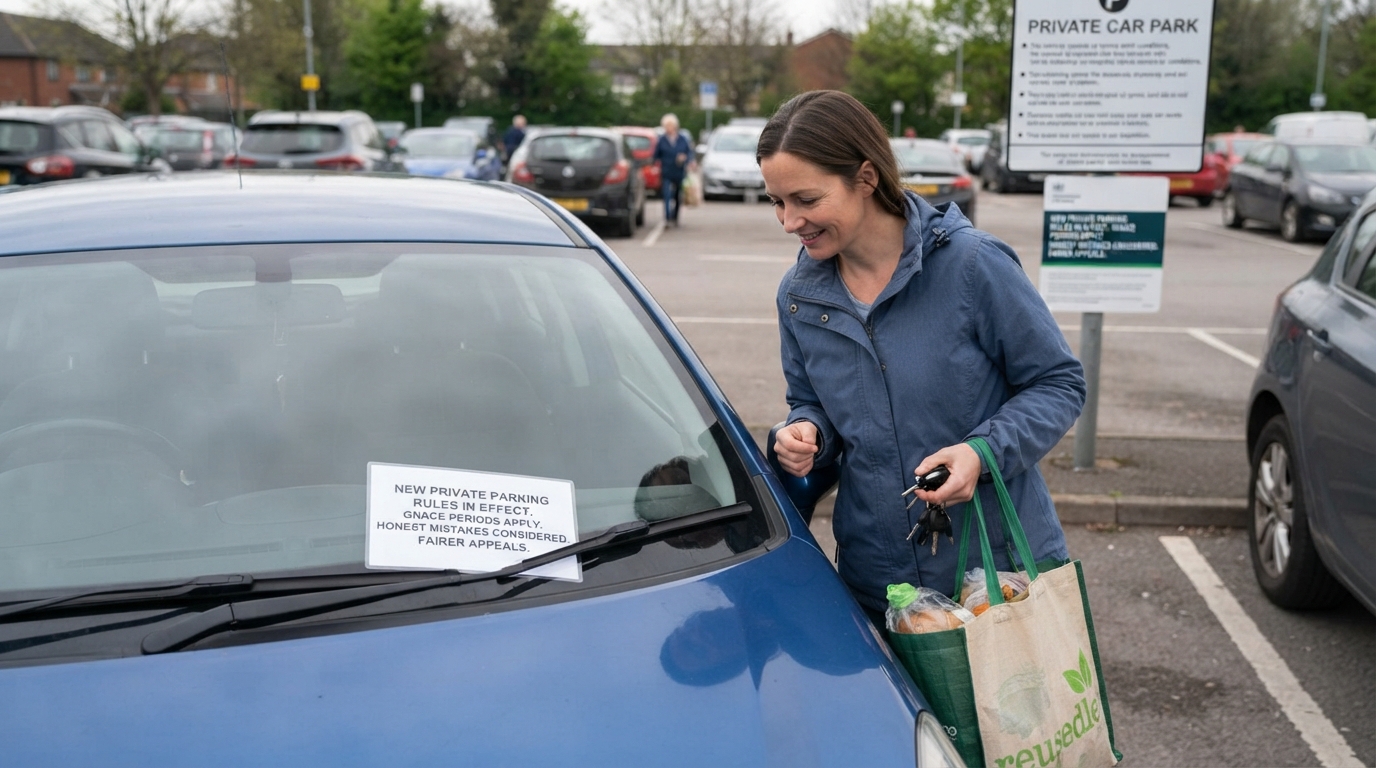
Burnham vows end to 'rip-off parking charges' under new rules
Drivers will gain the right to contest "rip off" private parking charges and will be allowed more grace when using private operators under new rules announced by Andy Burnham.
The Prime Minister unveiled the changes after drivers repeatedly complained that penalties handed out by private providers were too severe and left motorists unfairly punished.
In one case, a woman was taken to court in a £1,906 claim after taking longer than five minutes to pay at a car park in Derby. The charge was eventually dropped.
Private car parks already operate under an industry code of practice, but the RAC motoring group said the government's changes would shield drivers from the "poor practices of some private parking companies".
Burnham, the prime minister, said: "Being a few minutes late back to your car or typing one digit of your numberplate wrong shouldn't end with a hefty fine landing on your doormat.
"These charges leave people feeling ripped off and out of pocket, so I'm putting a stop to them."
The new rules will give drivers:
- a guaranteed 5 minute period to decide whether to park
- a 10 minute window to leave without facing a penalty
- cancellation of charges for issues drivers can't control, like vehicle breakdowns in car parks
- cancellation of charges for honest mistakes such as stopping to check directions, as well as for medical emergencies or broken ticket machines
- maximum charges of £20 on appeal for slip-ups like forgetting a parking permit, entering the wrong vehicle registration, or forgetting to confirm the registration in the machine when parking
- a freeze on the maximum parking charge at £100, which is the same limit as the current private parking Code of Practice
Operators who fail to comply risk losing access to DVLA data, making it much harder to pursue the car's owner even if they do issue a charge.
Private car parks are different from council-owned car parks and streets. RAC analysis of government data showed a record 17 million private parking tickets were issued in 2025/2026 - a 17% increase from a year earlier.
With each charge worth up to £100, the data, analysed by the Press Association and the RAC Foundation, suggests drivers could collectively face private parking charges worth more than £4.6m each day.
The yellow and black envelope of a Penalty Charge Notice, or PCN, is a dreaded sight for motorists returning to their car.
The AA has warned that some drivers pay up even when they have done nothing wrong, simply to avoid the hassle. It said people felt they would not get a fair hearing if they appealed fines, with many saying they feared legal action.
The current private parking industry Code of Practice, created by the British Parking Association and the International Parking Community, was introduced in 2024.
But the culture of motorists feeling they have been harshly penalised has prompted the government to bring a formalised code before Parliament.
The British Parking Association told the BBC it welcomed the changes, but said "many of the principles within the new framework are already reflected in the existing voluntary Code of Practice".
The new Code will apply in England, Scotland and Wales after motorists said they wanted independent oversight of the private parking industry.
Jack Cousens, head of roads policy at the AA, said drivers "finally have something which could offer them better protections against the worst private parking operators". He said that in the past they have "aggressively attacked drivers to the point where many simply pay up".
But the RAC's head of policy Simon Williams said it was not the leap his firm had been campaigning for. He called for debt recovery fees to be banned from being added on top of PCNs and said the current industry-run appeals bodies should be replaced by a single independent one.
The government said it will be consulting on the issue of debt recovery fees, as well as other recommendation from the Competition and Markets Authority.