

Australian sunscreen brands face stricter rules after safety scandal
The reforms come after a report found some popular sunscreens were far less effective than advertised.
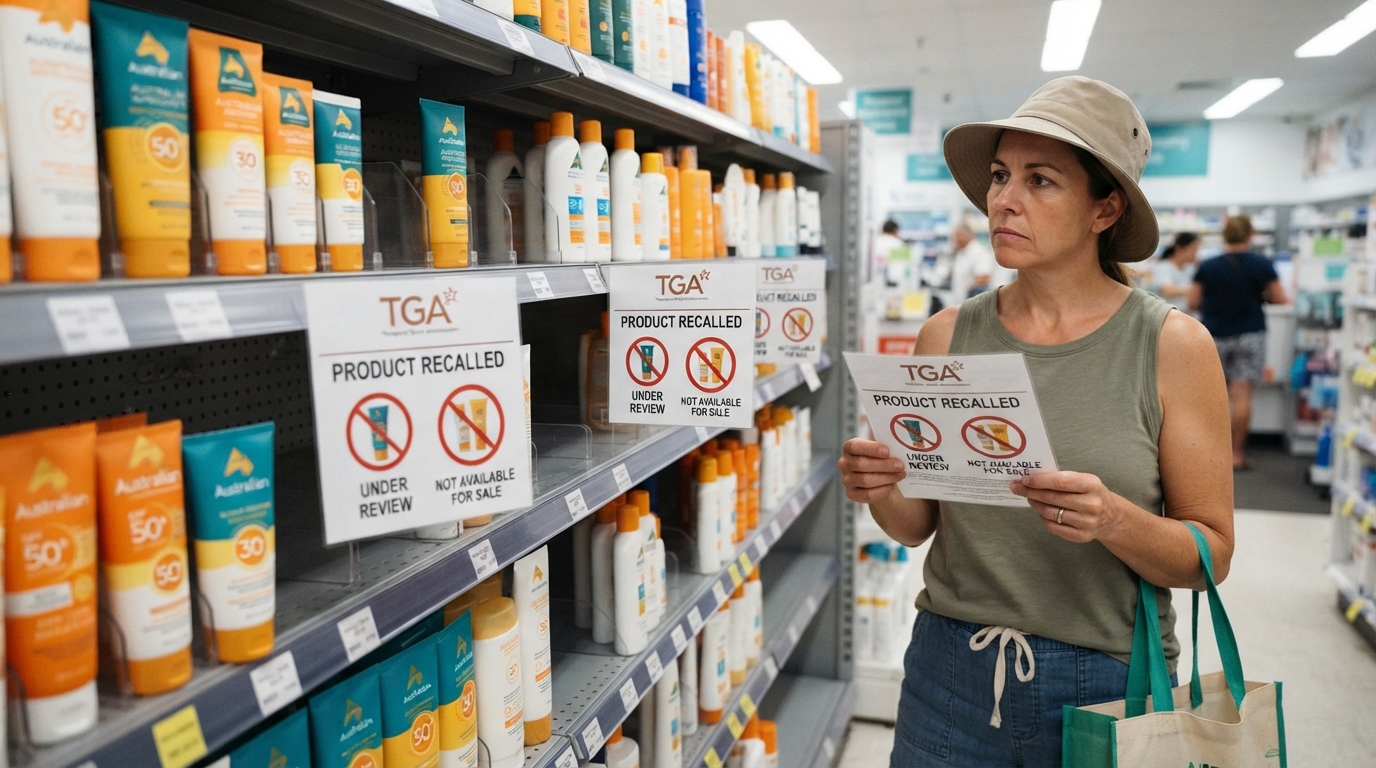
Australian sunscreen brands to face tighter rules after safety scandal
A sunscreen safety scandal triggered a huge backlash in Australia, the country with the world’s highest skin cancer rate.
Australian sunscreen makers will now be subject to tougher rules following a safety scandal that led to popular brands being removed from shelves.
The changes, announced by the Therapeutic Goods Administration (TGA) on Tuesday, include stricter testing and quality standards for certain ingredients.
The move follows a major report last year from consumer advocacy group Choice, which found that some well-known sunscreens did not deliver the level of protection their makers claimed.
The new draft rules are "about making SPF claims more reliable" and ensuring the agency has "faster access to evidence when concerns arise", Robyn Langham, the TGA's chief media adviser, told the BBC.
"Australians expect the SPF on the label to be backed by robust evidence," she said in a statement sent by email.
"These proposed reforms put that expectation at the centre of sunscreen regulation, with stronger testing requirements for the finished product consumers buy and repeat testing throughout its time on the market."
Under the TGA’s proposed new rules, cosmetic sunscreen brands will also face limits on the SPF claims they are allowed to make.
This is intended to create a "clear distinction for consumers" between sunscreens designed mainly for UV protection and cosmetic products in which UV protection is only a secondary feature.
The agency also told the BBC that suppliers may be required to submit their SPF testing data to the TGA when they list a sunscreen.
The TGA said the reforms would be "implemented in stages, with further consultation where required".
The Choice report, released in June 2025, found that 16 of 20 sunscreens tested - including several premium, high-priced brands - did not match their advertised SPF rating.
One product, Ultra Violette's Lean Screen Skinscreen, which was voluntarily recalled last year, was sold as SPF 50+ but was found to provide only SPF 4.
The scandal caused a major backlash in Australia, which has the highest skin cancer rate in the world.
More than a dozen products were withdrawn from shelves or had their sales halted because of the scandal.
Earlier this year, the TGA proposed broad reforms to the sunscreen industry, including plans to simplify sunscreen labelling and increase oversight of testing laboratories.
Its statement on Tuesday said labelling changes would be made after further review and consultation.
Choice said it welcomed the reforms, saying in a statement on Tuesday that it was "pleased to see" the stricter rules proposed by the TGA.
But the group said sunscreen test results should not be given only to the TGA - as the regulator has proposed - and should instead be made publicly available and regularly monitored, "in the interest of transparency and public safety".