

Australia mistakenly sent F-35 fighter jet parts to Hong Kong. Location of the cargo is unknown
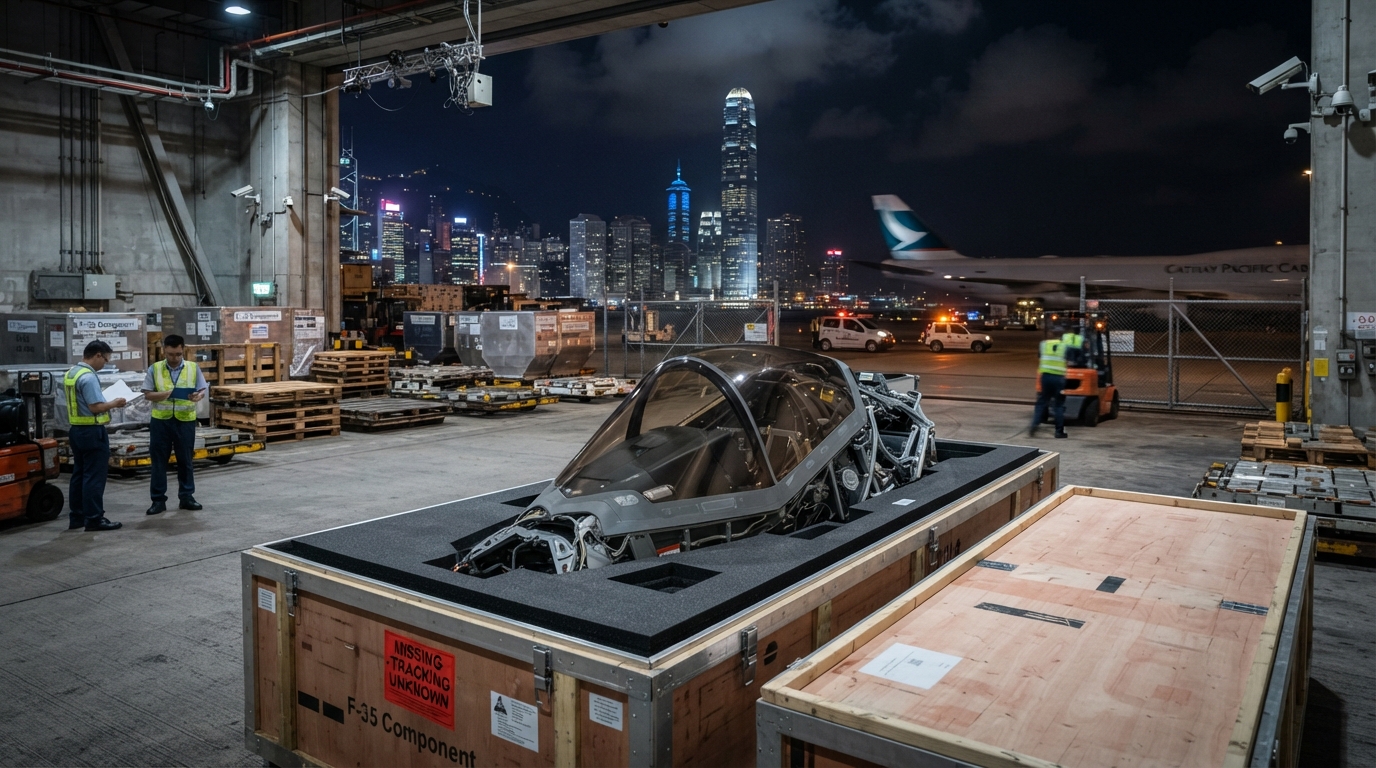
Australia accidentally sent F-35 fighter jet parts to Hong Kong. The location of the cargo is unknown
It has been revealed that the Australian government mistakenly sent spare parts for the US F-35 fighter jet to Hong Kong instead of sending them to the US. Australian officials have now confirmed this information.
The cargo containing spare parts for the fifth-generation F-35 Lightning II fighter jet mistakenly arrived in Hong Kong this summer. The cargo was being sent to the US in transit through Australia, but was unexpectedly routed to China.
This situation prompted urgent briefings involving US Congress staff working on key national security committees. According to Politico, the cargo contained at least one aircraft cockpit canopy, which includes stealth technologies. The right to use such technologies is granted only to the US and its allies. China, on the other hand, is interested in acquiring such technologies.
The exact time when the cargo containing the aircraft parts went missing has not been disclosed. The initial urgent meetings took place in June. Australian Defence Minister Richard Marles confirmed the incident on September 22:
"We are aware of this, we are working with the United States and Lockheed Martin to assist in the investigation," he told reporters.
At the same time, Marles said that the cargo did not contain highly critical or classified spare parts. He directed the remaining questions to the US, the manufacturer Lockheed Martin, and the contractor handling the delivery issues. Lockheed told CNN that it would not comment on the status of the cargo due to security reasons. The location of the cargo is currently unknown.