

Apple created its own artificial intelligence model for China
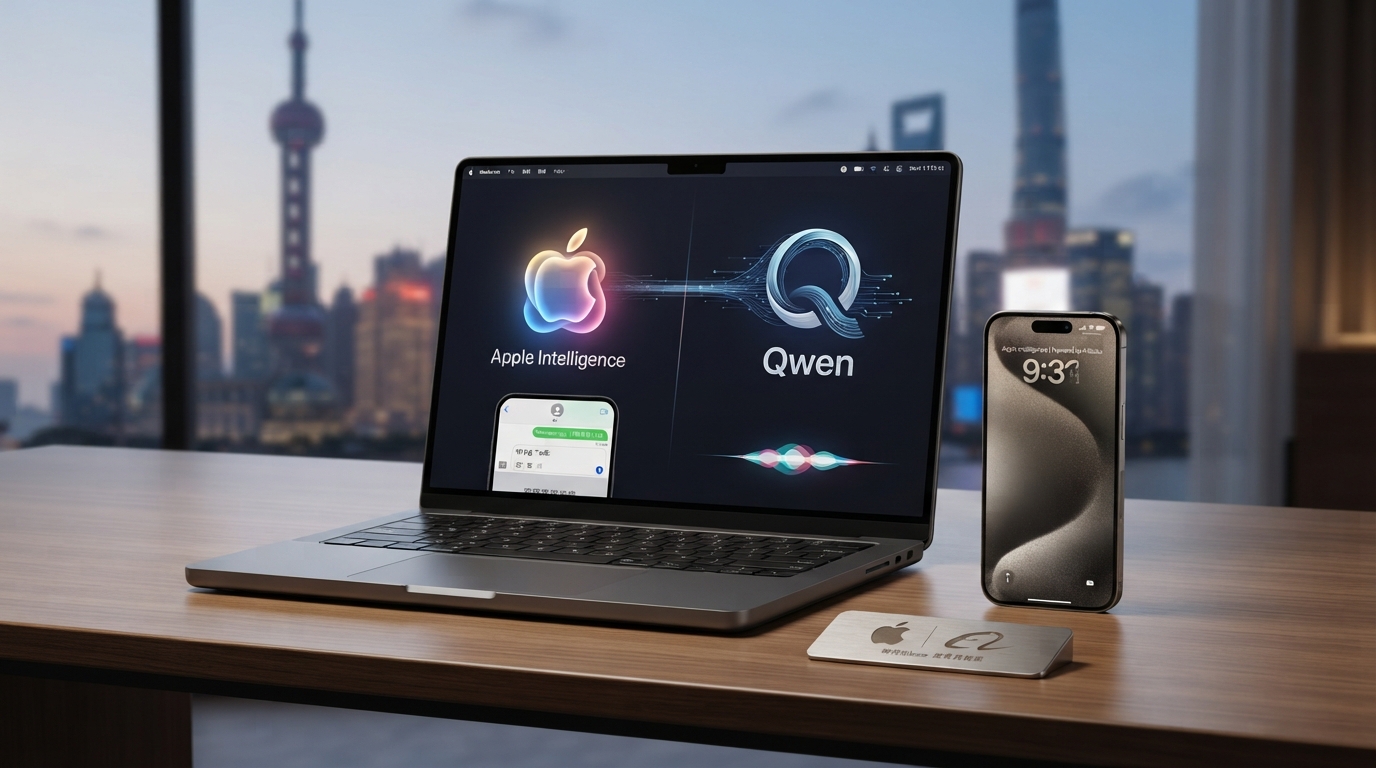
Apple has created its own artificial intelligence model for the Chinese market, Reuters reported, citing three sources familiar with the situation.
The new model was developed in collaboration with Alibaba Group and trained with its support. Apple previously said it planned to use third-party models in China, but did not provide information about the creation of a special model.
The use of US models such as OpenAI's ChatGPT and Anthropic's Claude is prohibited in China, which means Apple is forced to use technology from local partners. Apple and Alibaba declined to comment on the matter.
Apple Intelligence, a set of artificial intelligence tools, is expected to launch in China in the coming months, when the iOS operating system is updated. Having its own model will allow Apple to better control the capabilities of artificial intelligence in the Chinese market. It will also become the first foreign company to receive permission from Beijing to offer its own AI model in China.
In July, China’s Cyberspace Administration registered Apple’s AI service and lifted regulatory hurdles. Earlier reports said that Apple devices in China would integrate Alibaba’s Qwen model and Baidu’s technology.
The company last week released instructions on how Mac users in China could connect Qwen to Siri and Writing Tools. But the instructions were later removed without explanation.
Alibaba Chairman Joe Tsai confirmed at a summit in Dubai in February that Apple had chosen their technology for its phones in China. However, the launch of the service has been delayed due to local requirements.
China is one of Apple’s most important markets. The lack of AI features on iPhones in China has been causing sales to decline. Customers are turning to brands like Huawei, which have local AI assistants. It's not yet clear how Apple's own model and third-party models will work together. Yesterday, Apple was reported to have warned users in 110 countries about a spying attack.