

Airport drop-off charges to be reviewed after sharp increase
Confirming the review, the government said it was "vital to ensure travel remains accessible and that passengers are treated fairly".
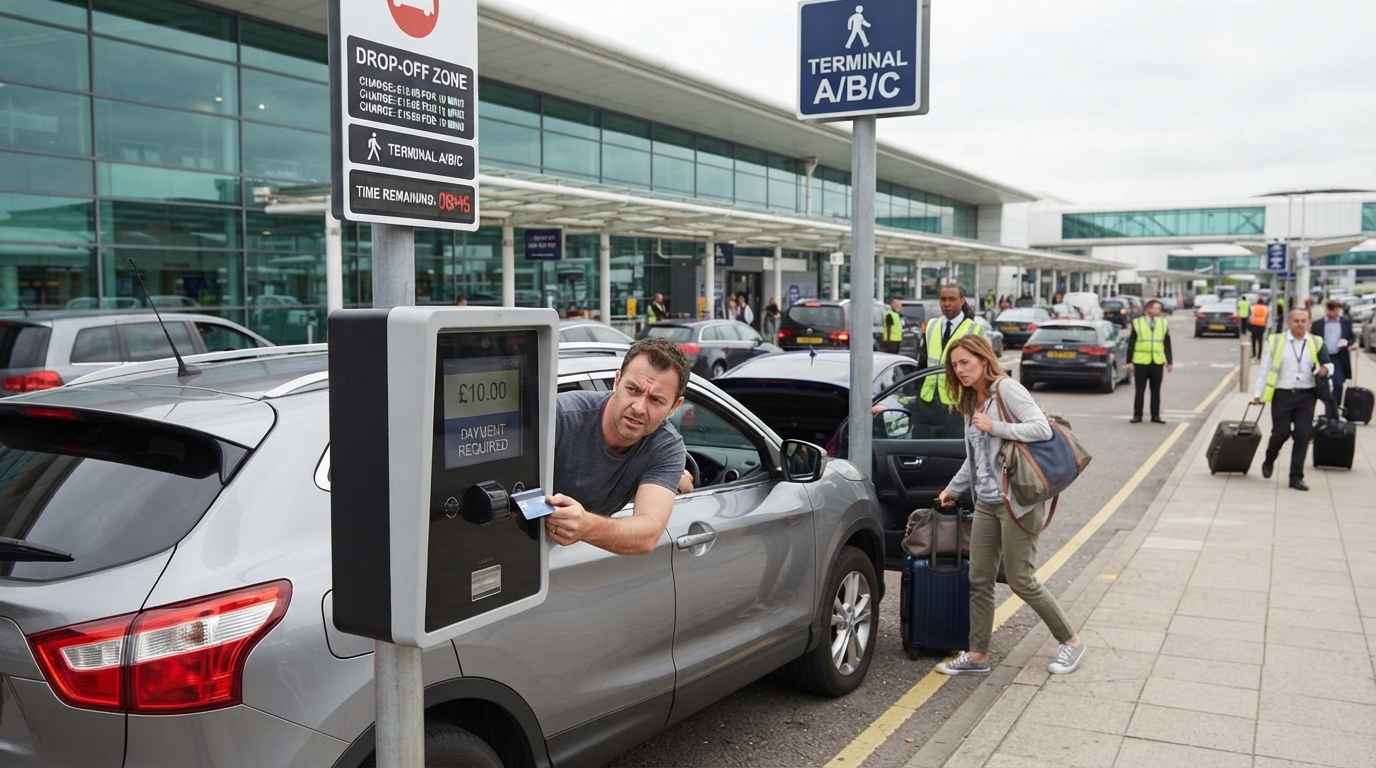
Airport drop-off fees will be examined by the government after steep rises in recent years.
According to one analysis, prices at major airports have climbed by a third on average since the summer of 2025, with Gatwick and Stansted identified as the most expensive, after their drop-off charges rose from £7 to £10.
At Edinburgh Airport, the charge has increased from £6 to £8.50, while Bournemouth’s fee has gone up from £5 to £8, matching the cost at Leeds Bradford and London City.
The Department for Transport said it had committed to a review, stating it was "vital to ensure travel remains accessible and that passengers are treated fairly".
The government also said it hoped airports would "exercise restraint on rises, particularly where there are limited public transport alternatives".
The RAC, which carried out the analysis in July this year, has long campaigned against higher drop-off charges. It said a review of "kiss and fly" fees would be "music to the ears to drivers".
"We know airport drop-off charges are a growing source of anger and frustration," said Rod Dennis, senior policy officer at the RAC.
"Four-in-five drivers we've surveyed believe they are a 'rip-off', with just one-in-10 understanding why airports charge what they do."
The RAC’s research found London City Airport, which only introduced charges in 2026, was the most expensive on a per-minute basis.
Its £8 fee for five minutes works out at £1.60 per minute. Belfast International Airport now charges £5 for 10 minutes in the drop-off zone, up £2 on last year.
According to the RAC, none of the top 10 airports in the European Union charge for drop-offs.
It says international airports should not charge for dropping off passengers, although the industry argues the fees are a necessary part of airports’ business models.
Supporters of the charges also say they encourage travellers to use more environmentally friendly forms of transport.
"Airports outside the UK are typically publicly owned and in receipt of state subsidies and tax exemptions, while UK airports are generally privately owned and subject to the full array of commercial rates of taxation," said Karen Dee, chief executive of Airports UK, which represents airports.
She added that airports offered a "range of options for those travelling to terminals, including free drop off points" and that "any review" by the government would find airports make "excellent use of a variety of ways to manage traffic and air pollution".
The Aviation Environment Federation campaign group has previously defended the fees, saying they help cut congestion and air pollution around airports.
Earlier this month, the government announced that extra charges for parents sitting with their children when flying would be scrapped in time for next year's summer holidays.
Prime Minister Andy Burnham said the chages were part of a series of "everyday fixes" to ease cost of living pressures on households.