

ADB to direct $400 million to modernize CAREC border infrastructure
ADB has approved the $400 million BUILD mechanism to modernize border infrastructure and reduce transport and logistics costs in CAREC.
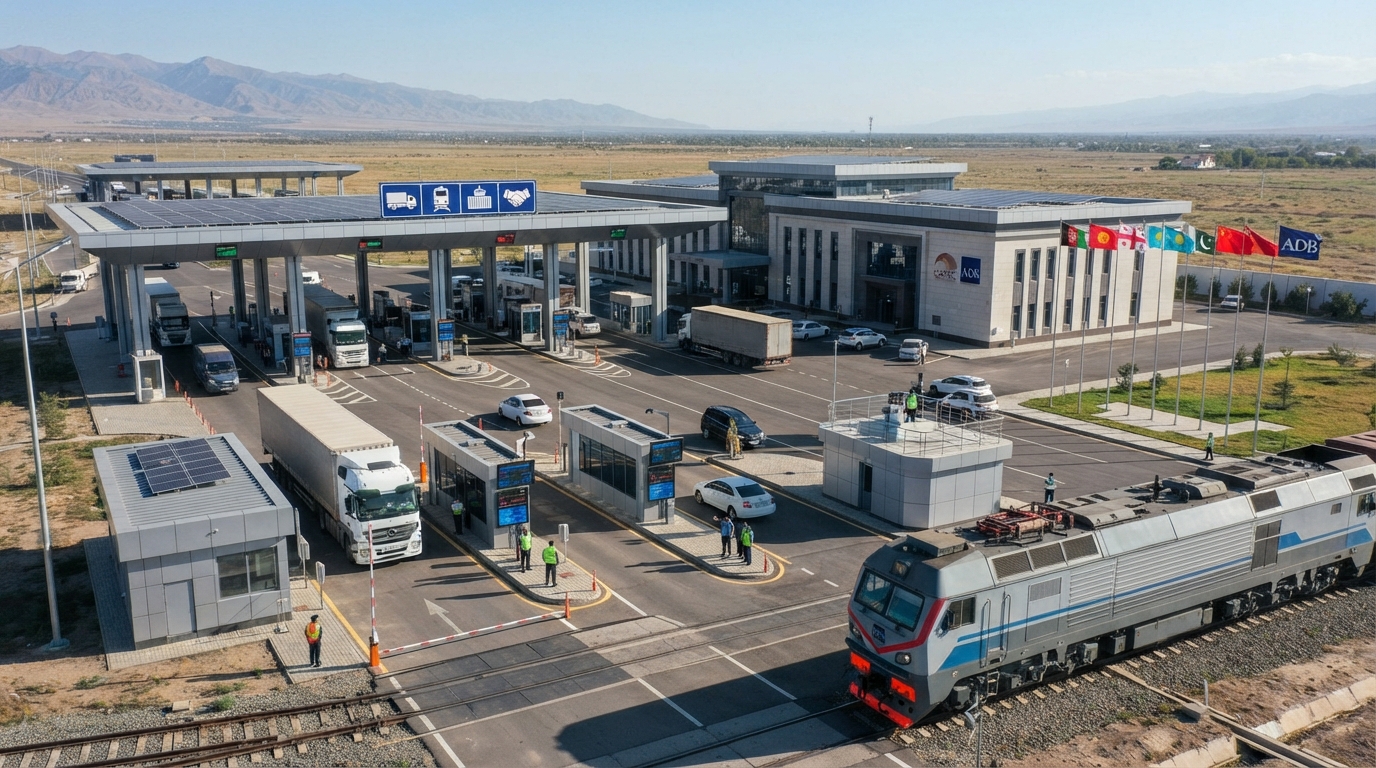
ADB to Allocate $400 Million to Upgrade CAREC Border Infrastructure
The Asian Development Bank (ADB) has approved a $400 million regional financing facility, BUILD, to modernize border crossing points, reduce transport and logistics costs, and improve the movement of people and goods in the Central Asia Regional Economic Cooperation (CAREC) region.
The BUILD (Border Upgrades for Integration, Logistics, and Development) facility will be used to finance priority investments in border infrastructure, strengthen connectivity, and enhance the competitiveness of CAREC countries.
"Borders are not just checkpoints. They are gateways to job creation, regional market development, and expanded income opportunities," said ADB Director General for Central and West Asia Evgeny Zhukov.
According to her, the BUILD facility will help CAREC countries shape faster, more modern, and interconnected border crossings. This is expected to reduce inefficiencies by bringing economies closer together, expanding cross-border markets, and economic corridors.
The need for modernization stems from the fact that border crossing points remain bottlenecks in CAREC transport corridors, despite progress in trade development and transport connectivity.
Growing trade volumes, infrastructure and capacity constraints, as well as the need to further improve border management systems and procedures, create additional barriers to the movement of people and goods.
According to ADB estimates, current constraints lead to economic losses and create difficulties for transport operators, trading companies, and passengers. In addition, they increase the risks of human trafficking, environmental issues, and public health threats.
BUILD funds will be directed to priority projects for modernizing border infrastructure in CAREC countries, including rail and road border crossing points. The projects involve creating modern infrastructure, implementing digital systems, and high-tech inspection and control equipment.
In parallel, there are plans to improve and harmonize border control procedures. This should reduce the time and costs associated with crossing borders.
The facility also provides for strengthening institutional capacity, supporting reforms in the transport and logistics sectors, and expanding private sector participation.
BUILD is expected to unlock additional opportunities for private investment and strengthen the capacity of micro, small, and medium-sized enterprises. These companies play an important role in sectors such as agriculture, tourism, and transport services, and will be able to gain more opportunities to participate in regional trade.
The CAREC program includes Afghanistan, Azerbaijan, Georgia, Kazakhstan, the Kyrgyz Republic, Mongolia, Pakistan, the People's Republic of China, Tajikistan, Turkmenistan, and Uzbekistan. Member countries, together with development partners, work to promote sustainable development and economic growth through regional cooperation. ADB serves as the CAREC Secretariat.
The Asian Development Bank was established in 1966 and is owned by 69 members, 50 of which are from the Asia-Pacific region. The bank supports sustainable, inclusive, and resilient growth, using financial instruments and partnerships to implement infrastructure and other development projects.