

A people whose history was erased - they repeated the mistakes of the past | 5 minutes
In some families, children try not to repeat the mistakes of their parents. But as the years pass, they fail to notice that they themselves are making those very same mistakes. In Gabriel García Márquez's novel *One Hundred Years of Solitude*, this situation unfolds through the fate of a single family. Generations change, times change, but yesterday's mistakes keep entering through doors left open.
A people whose history was erased - they repeated the mistakes of those before them | 5 minutes
This novel by Márquez was published in 1967 and continues to amaze readers around the world to this day.
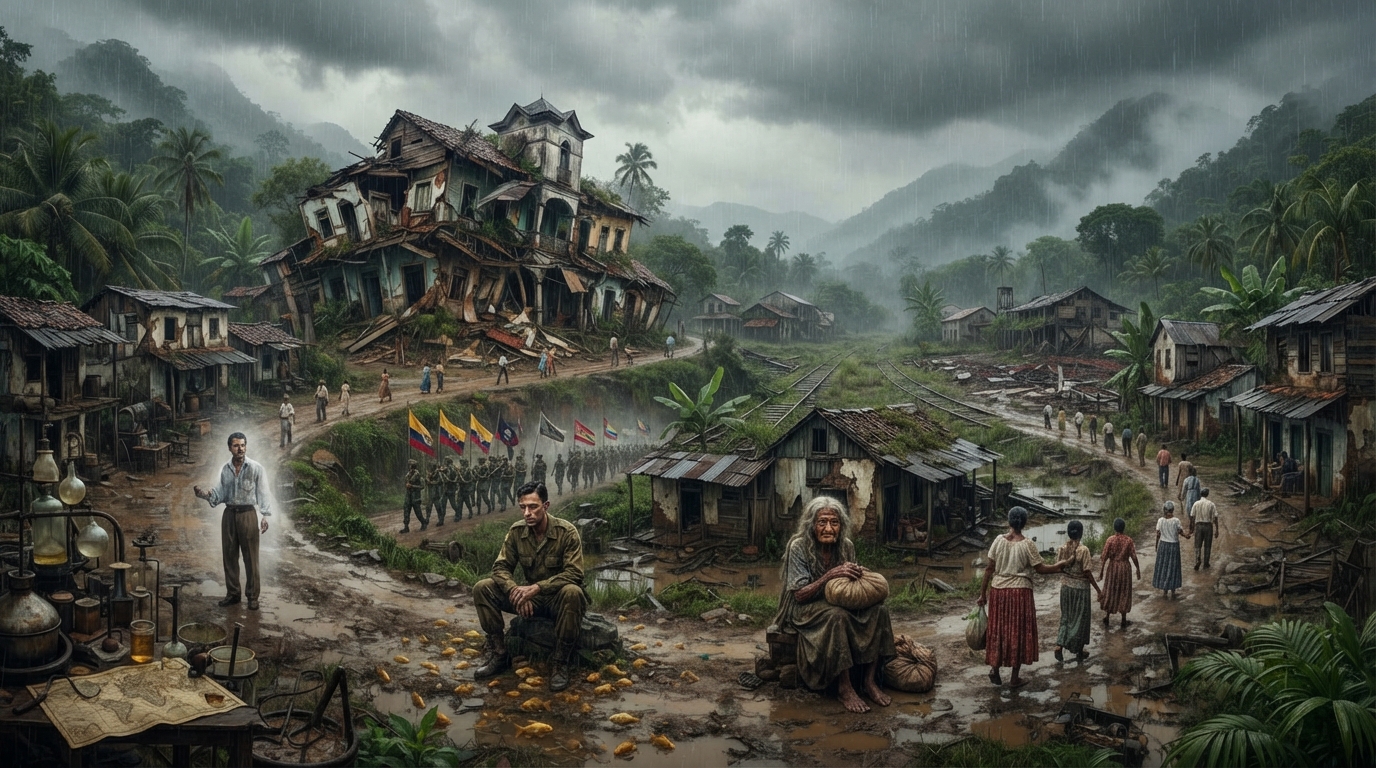
The events take place in the village of Macondo. There, supernatural occurrences are accepted as natural: the dead come back to life, people ascend to the sky, and rain falls for several years. Márquez describes miracles so calmly that you cannot object to his truths.
It all begins with José Arcadio Buendía and his wife Ursula. They fear that a child born from a marriage between relatives might be born with a pig's tail. This fear casts a shadow over the family's fate for years.
The village was initially an isolated, simple, and peaceful place from the outside world. Later, new people, new ideas, and new problems enter here. Macondo grows, its population increases, and political struggles begin.
In the Buendía family, although generations change, one strange situation keeps repeating itself. Names like José Arcadio and Aureliano are also given to the next generations. Along with the names, traits, inner conflicts, and mistakes also keep returning. Someone participates in battles, someone devotes themselves to science, and someone else gives in to the torments of love. However, most of them become trapped in their inner world and move further and further away from understanding their loved ones.
This is actually the heart of the novel: a person's solitude is not determined by whether there is no one around them. Although some have an entire family beside them, they cannot share their pain with anyone. Sometimes a person lives among thousands of people, but feels as if no one understands them.
Take Colonel Aureliano Buendía, for example. He participates in wars, stands at the center of political struggles, and gains great fame. At first glance, it seems there is no room for loneliness in the life of such a person. But as the years pass, he moves away from both people and his own emotions. The victories in his life cannot fill the void in his heart.
A banana company arrives in Macondo. Along with it come economic changes, new opportunities, and severe social conflicts. The workers' discontent ends in a bloody tragedy. Most terrifyingly, the murders committed by the government are denied, and life goes on as if nothing had happened.
At this point, the novel goes beyond the family and creates ideas about an entire society. People's memory is erased in a cultural manner, and the people are taught to turn a blind eye to crimes. As a result, old tragedies keep repeating themselves.