

A dispute over nearly 2 trillion euros: The European Union failed to agree on the budget
On the first day of the summit in Brussels, European Union leaders failed to reach an agreement on the seven-year budget. While Germany and a number of other countries are demanding spending cuts, France, Spain, and Poland favor increasing the budget. Negotiations will continue in December.
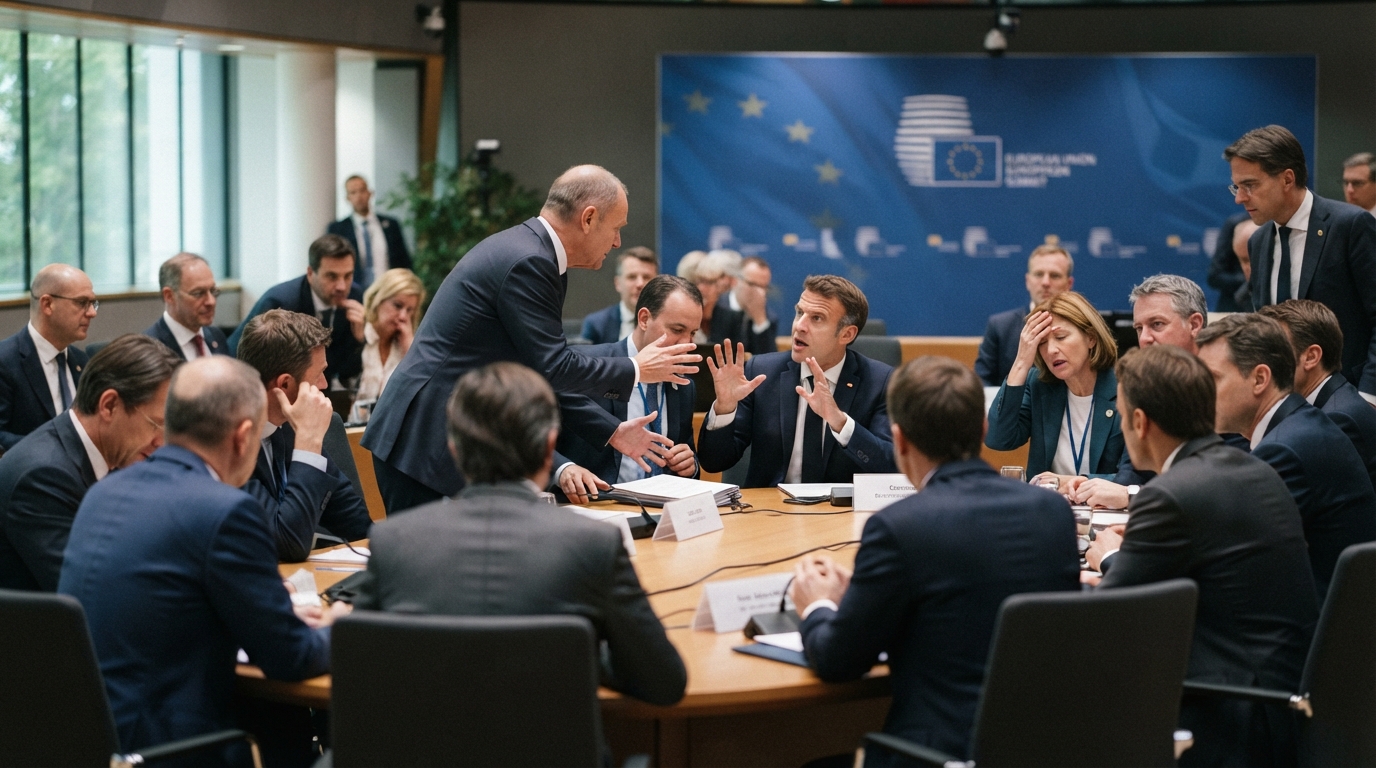
No agreement reached on budget of around 2 trillion euros: Tensions rise in the European Union
Citing the AFP agency, DW reports that sharp debates took place between the parties during the summit. In addition to Germany, the pro-austerity camp included Austria, Sweden, Denmark, the Netherlands, and Finland.
In the summer, the European Commission presented a draft budget of nearly 2 trillion euros for 2028–2034. Meanwhile, Ireland, which holds the presidency of the EU Council, proposed reducing it by 140 billion euros.
Ireland's proposal envisions cutting spending on competitiveness development, scientific research, defense, and foreign policy.
France, on the other hand, proposes introducing new pan-European levies to increase the budget without raising contributions from member states. This refers to collecting levies on digital services, crypto-assets, and online gambling.
German Chancellor Friedrich Merz called for a significant reduction in the budget proposed by the European Commission before the start of the negotiations. He opposed allocating additional funds for agriculture and policies aimed at reducing economic and social disparities between regions.
Many EU member states favor approving the budget by the end of 2026. They are concerned that political forces skeptical of European integration coming to power in some countries as a result of the 2027 elections could complicate the agreement.
However, Austrian Chancellor Christian Stocker did not rule out the possibility that negotiations could drag on into next year.