

81-year-old confesses to German cold case murder of US tourist in 1994
Amy Lopez from Texas was last seen alive in September 1994 while on a visit to a fortress in Koblenz.
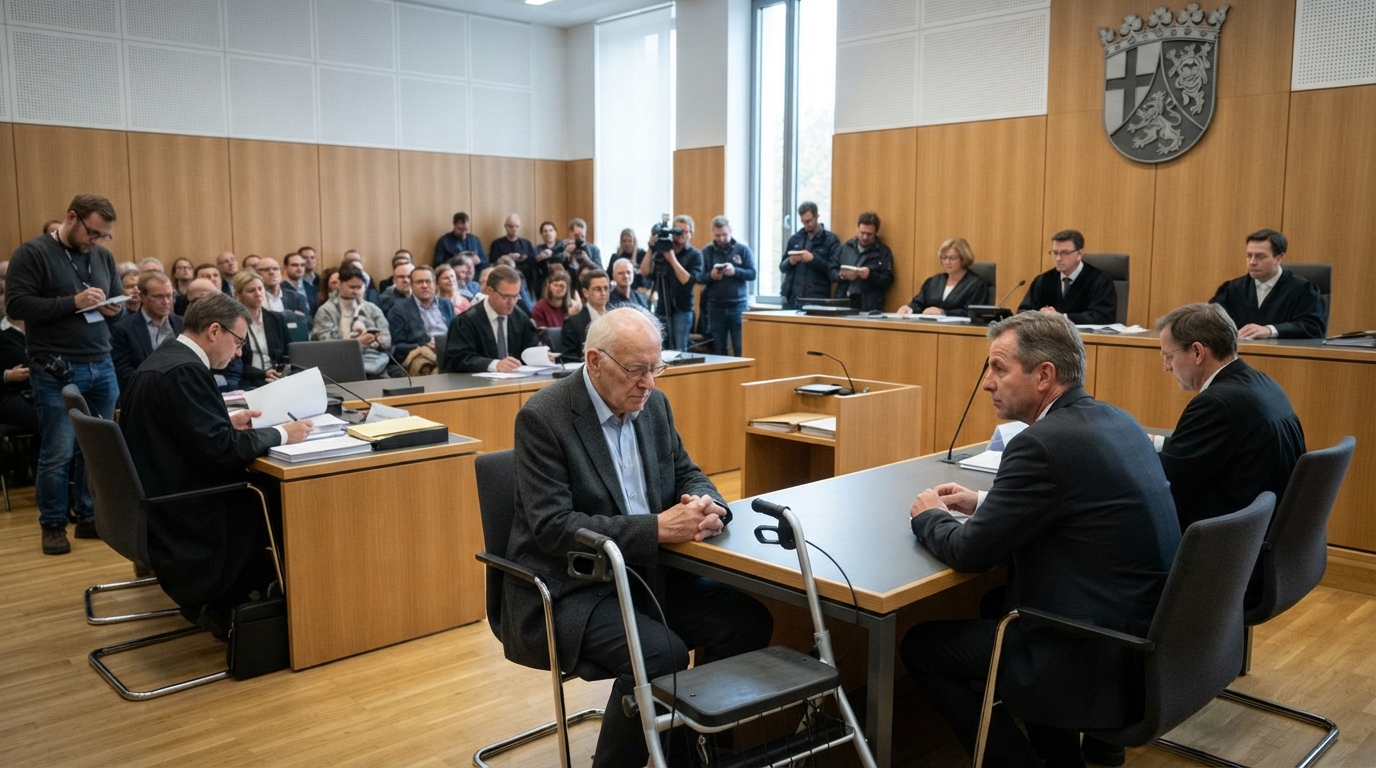
An 82-year-old man has confessed to the 1994 murder of a 24-year-old American tourist in Germany, a cold case that has baffled authorities in Koblenz for nearly 32 years. The accused, identified as Hans S due to German privacy laws, is now on trial and faces a potential life sentence.
Amy Lopez, from Texas, was last seen alive in September 1994, en route to the historic Ehrenbreitstein Fortress in Koblenz during a European tour. Her body was discovered at the site just two hours later.
Hans S, who was 49 at the time of the murder, was apprehended last February at a retirement home. His arrest followed a breakthrough in the cold case: a DNA sample he provided during the investigation matched a trace found on Lopez's clothing.
Prosecutors allege that Hans S encountered Lopez by chance on the steep path leading to the fortress. He is accused of luring her into a secluded area beneath the fortress, known as the General von Aster room, named after a 19th-century Prussian general. There, he allegedly sexually assaulted her and stabbed her nine times. Prosecutors have charged him with murder, citing "base motives to satisfy his sexual urges."
The trial's opening day on Tuesday saw a packed courtroom, underscoring the notoriety of the murder in western Germany's Koblenz region. The defendant, using a walking frame, confirmed his admission of the crime to the presiding judge after his defense counsel stated his confession.
While a preliminary psychiatric evaluation commissioned by prosecutors deemed the suspect criminally responsible at the time of the offense, a final assessment will be presented at the trial's conclusion. A verdict is anticipated early next month.
The case saw little progress for decades until improved forensic techniques four years ago allowed for the detection of DNA on skin fragments found on the victim's trousers. Last year, Koblenz authorities established a special cold-case investigation team. The case was also featured on a national TV show dedicated to unsolved crimes, and repeated public appeals were made.
Although the TV program generated several leads, the breakthrough came when police began collecting saliva samples from volunteers. This led to the arrest at a residential home near Koblenz, with prosecutors confirming a clear DNA match.
Hans S's lawyer informed the German news agency DPA that the case had "weighed heavily" on his client, and he sought closure, which motivated him to provide a sample. The suspect had a prior conviction for a sexual offense in 1999, but at that time, police lacked sufficient DNA evidence to connect him to the 1994 killing.