

500 migrant children in Ceuta to be relocated to Spain
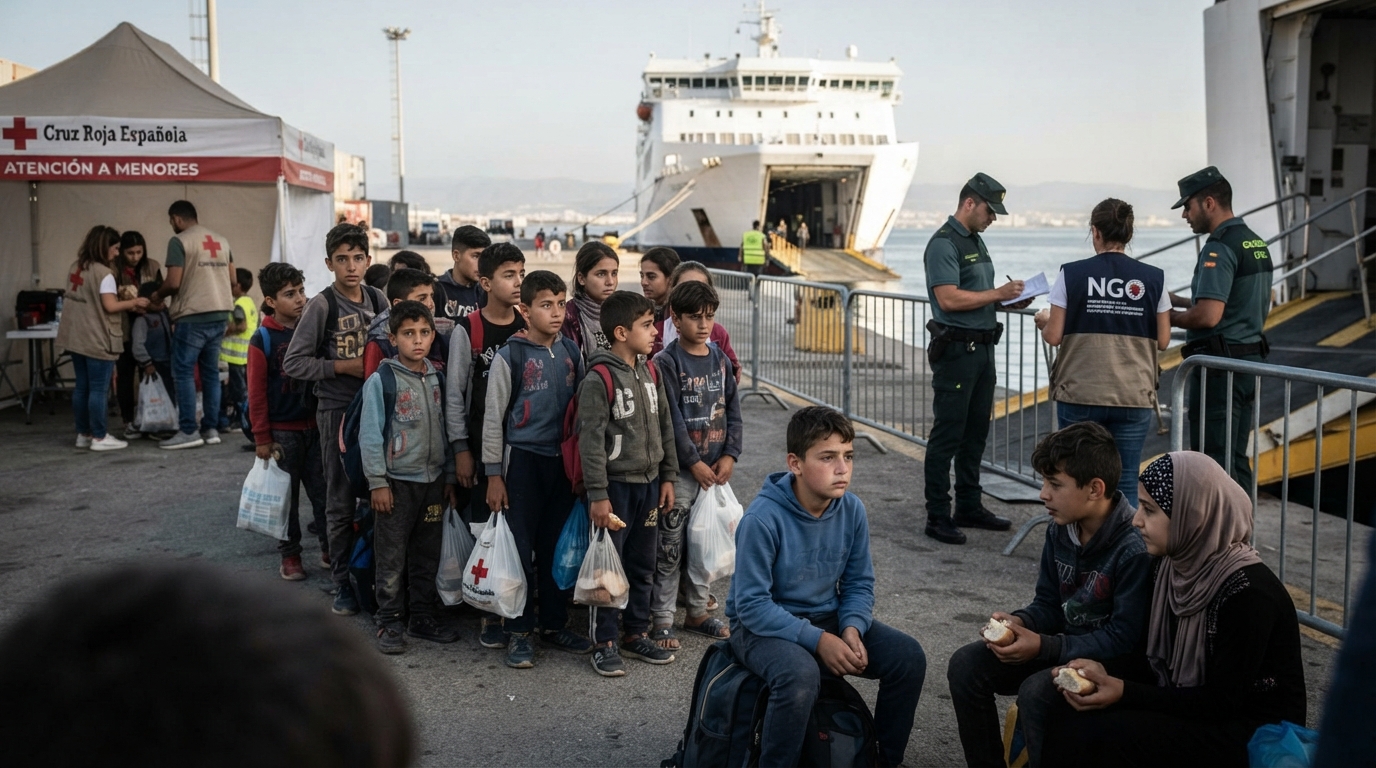
The Spanish government has unexpectedly reversed its previous decision on illegal immigrants by allowing 500 minor migrant children from Ceuta to be relocated to the mainland, The Guardian reports.
Most of the estimated 70,000 who arrived in Ceuta, a Spanish enclave in North Africa, on July 30 were returned to Morocco. However, under Spanish law, the state is required to take care of unaccompanied minors until they turn 18.
Interior Minister Fernando Grande-Marlaska said on August 13 that anyone who enters Ceuta or Melilla illegally will be turned back and will not be allowed to return to Spain or the rest of Europe.
Relocating children to mainland Spain is a politically sensitive issue, with several regions led by the conservative Popular Party and the right-wing Vox party opposed to accepting them.
In order to reduce the conflict, the Ministry of Youth is working with the Ceuta government on an emergency plan. According to it, NGOs and child protection agencies will take care of the most vulnerable children, especially girls. This will not transfer custody to the Spanish regional governments.
The Secretary of State for Children, Ruben Pérez Correa, has been in Ceuta since August 16, trying to resolve the situation in which hundreds of children are living on the streets and surviving on donations from the population.
The government's plan came hours after the European Commission said that under EU law, all migrants, including minors, must be returned to Morocco. Home Affairs Commissioner Markus Lammert said that all illegal migrants must be returned.
The conflicting reports are due to the fact that the latest EU migration agreement has not yet been incorporated into Spanish law. As a result, Spain's own laws on minors remain in force.
According to the Spanish Ministry of Integration and Migration, in March there were 21,104 people aged between 16 and 23 in state care. Of these, 3,500 were under 17. About 50 percent of them were from Morocco, and 8 percent were girls.