

200 kilometers on electricity, 1,200 in hybrid mode: ES-36 aircraft presented
The Swedish-US company Heart Aerospace has presented the ES-36 hybrid regional aircraft project, designed for 36 passengers. Its first major customer, the US airline JSX, has ordered 50 aircraft, with an option to purchase as many more.
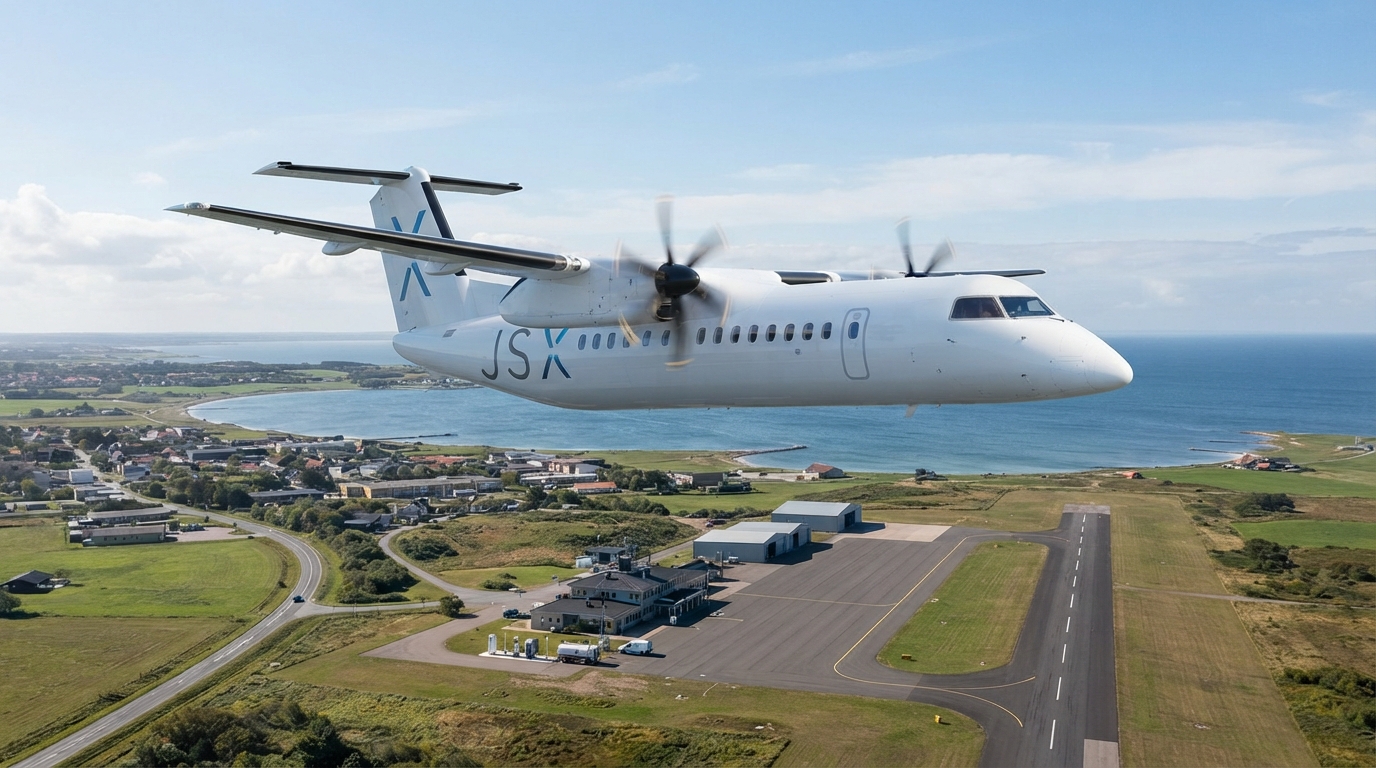
200 kilometers on electricity, 1,200 kilometers in hybrid mode: the ES-36 aircraft has been unveiled
According to Naked Science, the new aircraft has replaced the previously announced ES-30 project.
JSX signed a letter of intent to purchase the aircraft with Heart Aerospace in 2023, and now part of the agreement has been converted into a firm order. The airline will also have priority in the delivery queue.
JSX plans to use the new aircraft to launch direct flights between small airports that are not served by traditional large airliners.
The companies intend to jointly develop passenger cabin layout, charging infrastructure, ground handling, route planning, and aircraft turnaround processes.
The ES-30 was designed with four engines. The ES-36, however, will have two series hybrid powertrains. Each of them features a 1.65-megawatt electric motor that directly drives the propeller.
The electric motors receive energy from batteries. To extend the flight range, separate gas turbine generators are also provided. This allows the use of electric power on short routes and the activation of generators on longer flights.
According to calculations, taking into account the necessary energy reserve, the aircraft can fly up to 200 kilometers in fully electric mode. In hybrid mode, the flight range reaches 1,200 kilometers.
According to Heart Aerospace, the maximum takeoff weight and battery capacity specified in the ES-30 project have been retained for the ES-36. Nevertheless, the number of passengers has been increased by six to 36 seats, and the payload capacity has been increased by 640 kilograms.
The aircraft's wingspan is 29 meters. The developer estimates that the operating costs of the ES-36 will be at least 40 percent lower compared to previous-generation traditional regional aircraft.