

120 kilometers without fuel and engines. How pilots saved 306 people over the Atlantic
Night, the Atlantic Ocean, and a passenger airliner at an altitude of over ten thousand meters. Suddenly, the plane runs out of fuel, and both engines fail one after the other. The nearest airfield is 120 kilometers away, and there are 306 people on board. It seems there is virtually no chance of survival. But on August 24, 2001, the crew of the Airbus A330 accomplished what would later be called the "Miracle of the Azores."
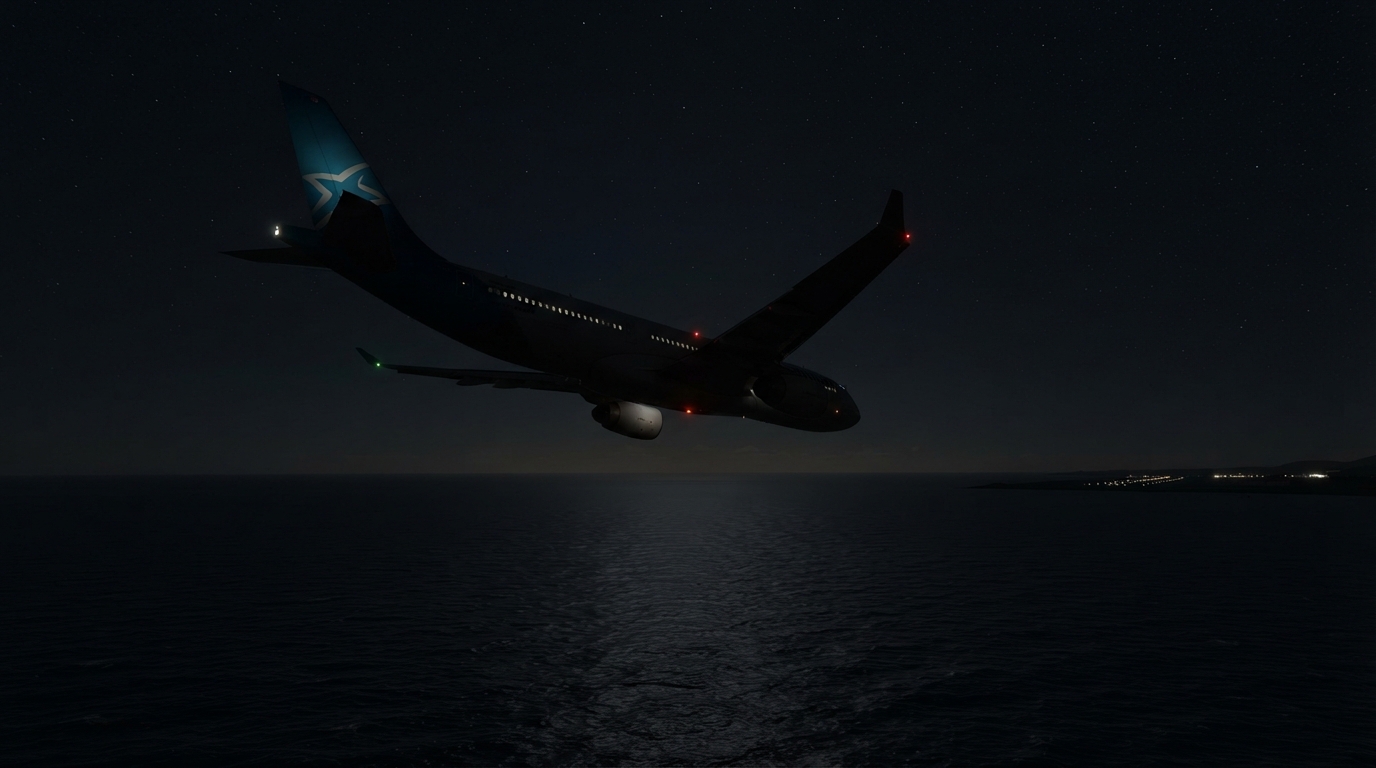
120 kilometers without fuel and engines. How pilots saved 306 people over the Atlantic
How the crew managed to land a 170-ton plane with failed engines and save all passengers — we tell the story of one of the most incredible incidents in civil aviation.
Every day, more than one hundred thousand flights are operated worldwide. Millions of passengers in the sky fly on business trips, work matters, or long-awaited vacations. But what happened on August 24, 2001, still defies logic.
Imagine: a crowded passenger airliner flies in the night darkness over the endless Atlantic Ocean. Suddenly, its tanks run completely out of fuel, and both of the plane's engines fail. This is precisely the critical situation an Airbus A330 flying from Toronto, Canada, to Lisbon, Portugal, found itself in.
As is well known, airliners do not fly without fuel. But thanks to the incredible skill of Captain Robert Piché and First Officer Dirk DeJager, the crew performed a true miracle — the longest glide with failed engines in civil aviation history. They managed to fly another 120 kilometers without thrust and safely land the 170-ton machine at the Portuguese Lajes military airbase in the Azores. That day, all 306 people on board survived.
This Airbus was manufactured in 1999 and, after successful testing, delivered to the airline Air Transat. By the time of the events described, the airliner had been in operation for only two years. During this time, it had completed almost two and a half thousand takeoffs and landings, logging over ten thousand hours. On that fateful day, 293 passengers and 13 crew members were on board the wide-body aircraft. Most of them were Portuguese citizens.
Before departure, almost 47 tons of jet fuel were pumped into the tanks. This supply was more than enough to fly from Toronto to Lisbon. The first four hours of the flight went strictly according to plan. But at 05:16, a warning indicator lit up in the cockpit: low pressure and oil overheating in the right engine.
In itself, this signal did not mean a lack of fuel. On the contrary: due to a hidden leak through a chafed hose, the cold jet fuel simply stopped cooling the oil in the right engine — which is why the instruments recorded a critical temperature. However, the pilots could not connect this to the fuel, since the fueling had been done with a margin. Deciding that it was a false signal and a routine computer glitch, they contacted the airline's technical service just in case, but the specialists from the maintenance center merely replied: "Be attentive and monitor the situation."
At 05:36, a second signal went off. The instruments showed a critical fuel imbalance: the jet fuel in the right wing had practically disappeared. Not understanding the real cause, the pilots made a fatal mistake: they opened the cross-feed valve and began sending jet fuel from the functioning left tank to the emptying right one. Fuel began gushing directly into the ocean in a powerful stream. It was then that the captain developed terrible suspicions: how could the fuel have vanished halfway through the flight? He assumed the worst — a leak. The captain called the chief flight attendant and ordered him to inspect the wing through a window. But outside there was pitch-black night darkness, making it impossible to see the scale of the disaster with one's own eyes.