

Uzbekistan Parliament Discusses Intellectual Property Rights
Uzbekistan's parliament reviewed intellectual property protections, legal reforms, and measures against counterfeit products.
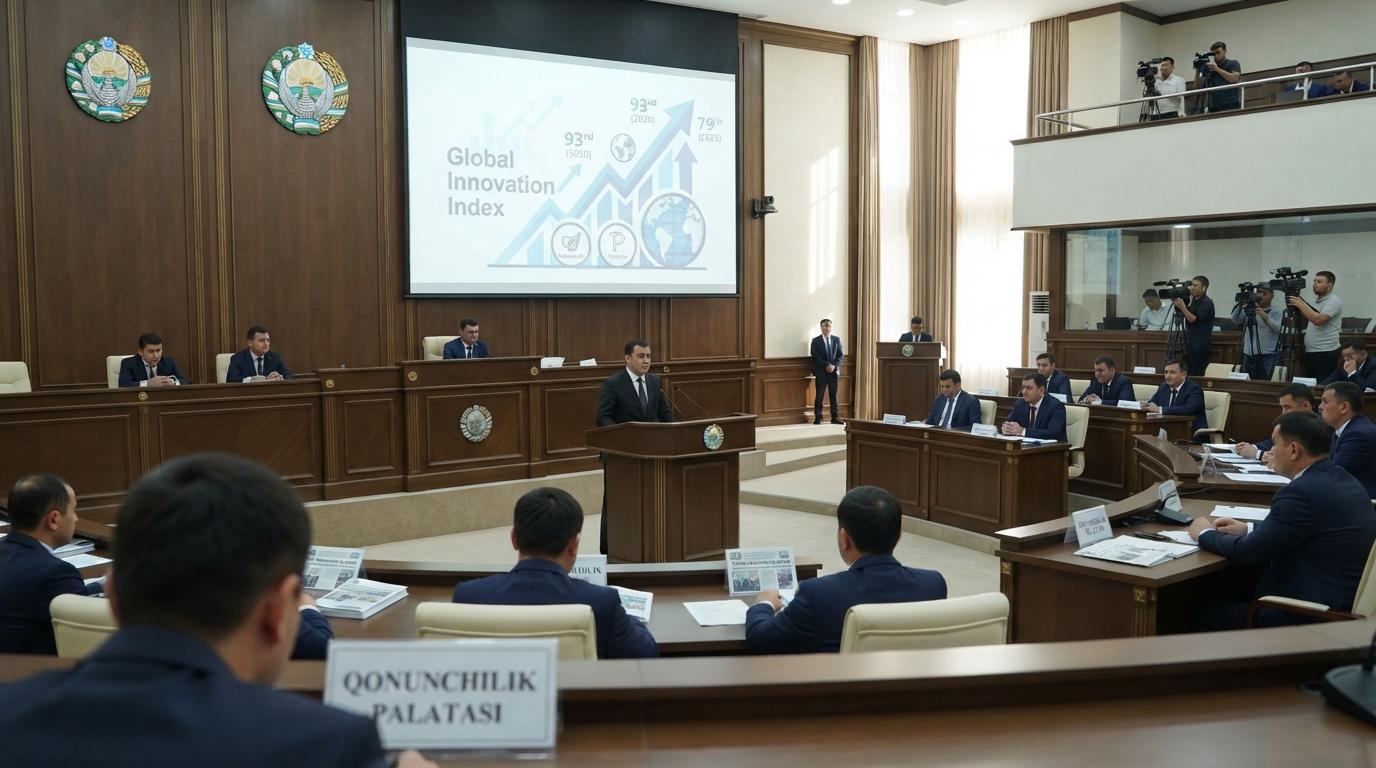
Uzbekistan's Parliament Examines Intellectual Property Protections
Tashkent, Uzbekistan (UzDaily.uz) –
The Legislative Chamber of Uzbekistan's Oliy Majlis has reviewed the progress made in safeguarding the intellectual property rights of both citizens and businesses.
Justice Minister Akbar Tashkulov provided an update on initiatives aimed at strengthening legal protections for intellectual property, bolstering national brands, and encouraging innovation.
Attendees at the meeting observed that Uzbekistan has become a signatory to 19 international intellectual property accords in recent years. Furthermore, the nation's laws have been brought into conformity with the stipulations of the World Trade Organization's Agreement on Trade-Related Aspects of Intellectual Property Rights (TRIPS).
In light of these developments, Uzbekistan's standing in the Global Innovation Index has risen from 93rd in 2020 to 79th in 2025.
Systems have also been put in place to shield rights holders from the unauthorized use of trademarks, industrial property, and copyrighted material. Penalties for infringements are being refined, including the seizure of items involved in patent violations.
Additionally, the Association of Patent Attorneys of Uzbekistan has been formed, and the legal right for patent attorneys to participate in court proceedings has been enshrined in law.
Justice authorities have been empowered to conduct independent test purchases to identify counterfeit products and to collaborate with law enforcement agencies in uncovering illegal manufacturing operations.
Deputies pointed out several areas that require further attention, such as cultivating public respect for intellectual property, fostering zero tolerance for counterfeit goods, ensuring effective protection for rights holders, and implementing financial accountability for legal entities that infringe upon copyright and related rights.
Lawmakers also underscored the importance of broadening the application of private prosecution and reconciliation methods in cases of administrative offenses.
Deputies put forward proposals to amend legislation to streamline trademark registration, establish legal frameworks for using intellectual property as collateral for loans, and restrict state procurement participation for entities that repeatedly violate intellectual property rights.
Discussions also encompassed the expansion of digital and AI-driven public services, the shift to electronic document exchange among intellectual property agencies, the prevention of legal infractions, and the enhancement of protections for rights holders.
Following the session, the Legislative Chamber passed a relevant resolution.
The Ministry of Justice was directed to expand digital services, improve legal mechanisms to boost the economic circulation of intellectual property assets, and implement additional measures to prevent violations.