

Uzbekistan, Georgia Advance Environmental Cooperation
Uzbekistan and Georgia discussed implementing their environmental cooperation memorandum, focusing on waste management, climate action and joint environmental projects.
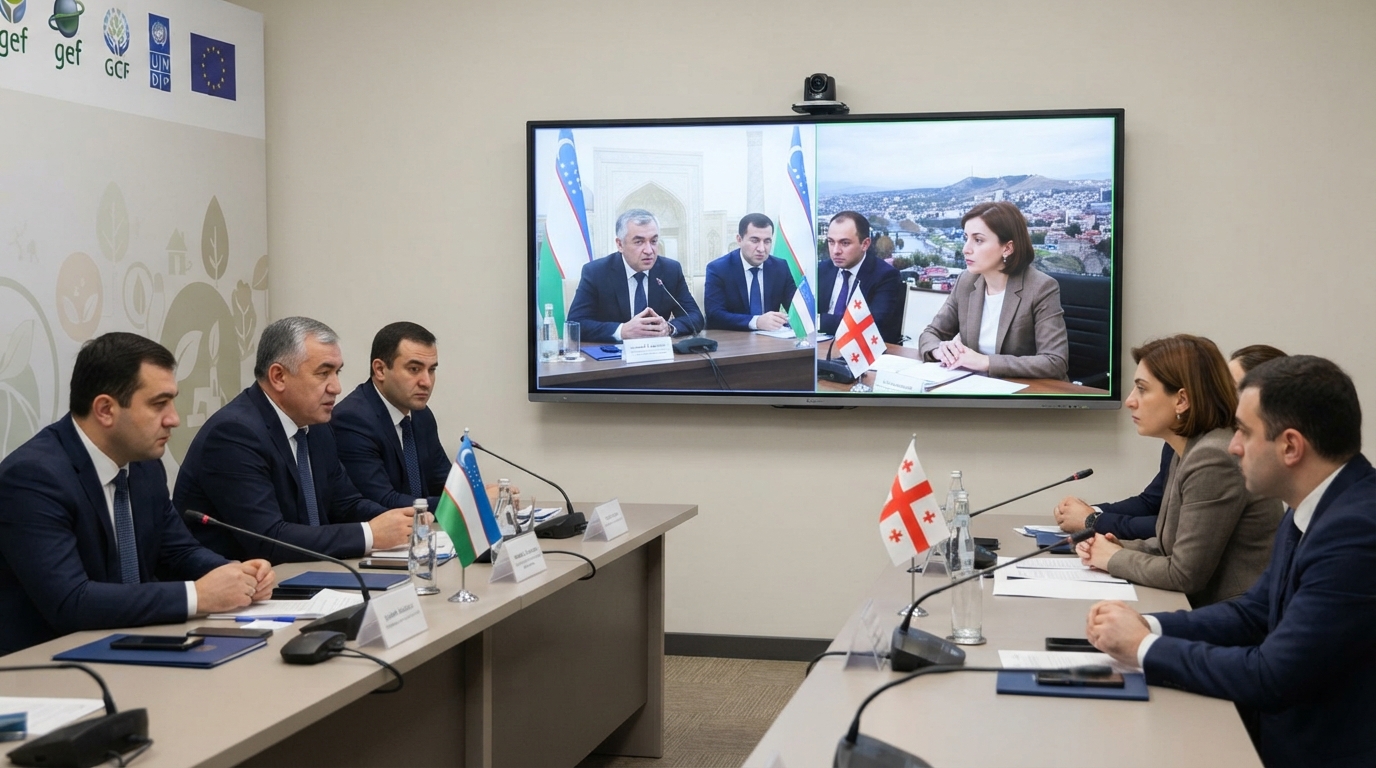
Uzbekistan and Georgia are moving forward with environmental collaboration, following up on a memorandum of cooperation signed in July during Uzbek President Shavkat Mirziyoyev's state visit to Georgia.
A videoconference was held to discuss concrete actions for implementing the agreement. Uzbekistan's delegation was led by Jusipbek Kazbekov, Deputy Chairman of the National Committee on Ecology and Climate Change, while Georgia's team was headed by Nino Tandilashvili, First Deputy Minister of Environmental Protection and Agriculture.
During the discussions, both sides reviewed progress on a joint roadmap for the memorandum's execution and pinpointed crucial areas for partnership.
A primary focus was waste management, with Uzbekistan keen to learn from Georgia's expertise in separate waste collection, sorting, and recycling. The construction of advanced waste-processing plants that generate energy was also a key point of interest.
Cooperation under the Paris Agreement on climate change was another significant topic. The talks encompassed initiatives aimed at cutting greenhouse gas emissions, adapting to climate change impacts, and developing mechanisms for climate finance.
Furthermore, the delegations explored avenues for joint ventures with international financial bodies and organizations, such as the Global Environment Facility (GEF), the Green Climate Fund (GCF), the United Nations Development Programme (UNDP), and the European Union. This collaboration would focus on developing and executing environmental and climate-related projects.
The meeting concluded with an agreement to form a joint working group, designate national coordinators, and conduct regular expert consultations to ensure coordinated implementation of the memorandum.
Both Uzbekistan and Georgia reiterated their shared commitment to broadening their cooperation in environmental protection and climate change.