

US Senate approves tough sanctions against Russia
European Commission President Ursula von der Leyen and Ukrainian President Volodymyr Zelensky welcomed the US Senate's approval of a new sanctions bill against Russia, which aims to limit Russia's energy revenues, strengthen measures against its "shadow fleet" and increase economic pressure on Moscow.
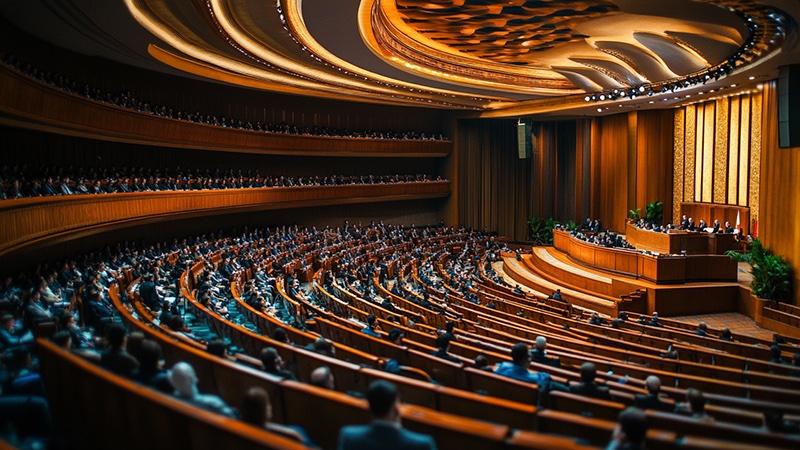
The US Senate has approved tough sanctions against Russia.
European Commission President Ursula von der Leyen welcomed the adoption by the US Senate of a bill on comprehensive sanctions against Russia. According to her, this initiative, together with the 21st package of sanctions of the European Union, will further increase the pressure on Moscow.
Von der Leyen noted on her social media page that if Europe and the United States act together, it is possible to deprive Russia of the financial resources it needs to continue the war. She noted that when historical partners work together, effective results are achieved.
Ukrainian President Volodymyr Zelensky also thanked the US Senate. In his opinion, the adoption of the Lindsey Graham sanctions bill will serve to increase pressure on Russia and the countries that help finance its war.
At the same time, Zelensky noted that Ukraine still desperately needs missiles for Patriot air defense systems. He stressed the importance of supplying additional weapons to strengthen the country's air defenses at a time when Russia is stepping up ballistic missile attacks.
This statement came after US President Donald Trump refused to supply new missiles for Patriot systems to Ukraine.
Earlier, the US Senate approved a bill on new sanctions against Russia by a vote of 86 senators to 11. Now the document will be sent to the House of Representatives. However, due to the summer recess, the vote there will not take place before September.
The bill provides for sanctions against Russian President Vladimir Putin, senior officials, oligarchs, financial institutions, as well as a "shadow fleet" used to circumvent restrictions on oil exports.
The document also gives the US president the right to impose duties of up to 100 percent on goods imported from countries that are major buyers of Russian oil and gas.
However, the bill also provides for some exceptions. In particular, these restrictions will not fully apply to countries that import less than 15 percent of their natural gas from Russia and are taking steps to reduce this dependence.
The bill is named after US Senator Lindsey Graham, who died on July 11. He actively promoted the initiative for more than a year.