

Two days after Saudi Arabia signed a defense pact, Houthis attacked the kingdom's oil refinery
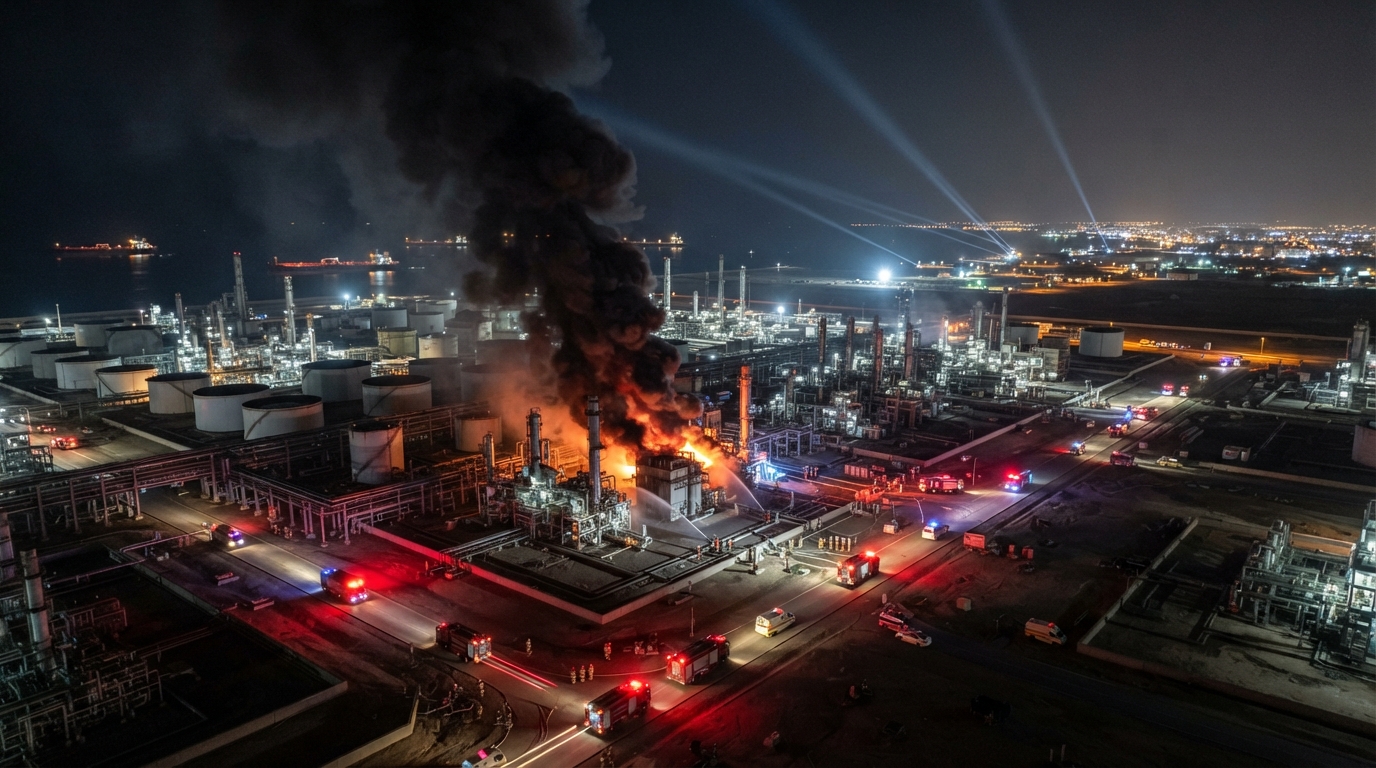
Two days after Saudi Arabia signed a defense pact, the Houthis attacked the kingdom’s oil refinery.
Yemen’s Houthis said on August 9 that they had launched a drone attack on the Saudi Aramco oil refinery in the Saudi city of Jizan, Saudi Arabia. The attack came two days after Saudi Arabia signed a defense agreement with Turkey and Pakistan, Reuters reported.
According to a statement by the Houthi military spokesman, Yahya Sari, the strike targeted the oil refinery in Jizan. The Saudi Energy Ministry said a fire broke out at the facility, but it was quickly extinguished. No one was injured.
The ministry did not disclose the cause of the fire. The relevant agencies are currently investigating the incident.
The plant in Jizan, located in southwestern Saudi Arabia, near the Yemeni border, has a capacity to process up to 400,000 barrels of crude oil per day. The plant produces gasoline and diesel.
**The plant has been attacked before**
According to the IIR consulting firm, Aramco suspended operations at the Jizan refinery on July 27. This was due to a previous attack by the Houthis. As a result of that attack, the plant’s integrated gasification and combined cycle (IGCC) system and the area of the reservoirs where oil products are stored were damaged.
The Houthis have previously launched attacks on Aramco facilities in Jizan, as well as on the Red Sea city of Yanbu.
On August 9, the Houthis also reported missile and drone strikes on the coastal city of Muha in Yemen. The historic port city is under the control of the Saudi-backed and internationally recognized government in Aden.
Three Yemeni government sources told Reuters that air defense systems had intercepted drones launched by the Houthis at commercial docks and warehouses in the port.
A Houthi spokesman said the strikes were aimed at Saudi troops and weapons depots in the area. The Saudis have not yet commented on the attacks in Yemen.
**Saudi Arabia, Turkey and Pakistan form a defense alliance**
The latest Houthi attack came two days after Saudi Arabia, Turkey and Pakistan signed a defense agreement.
On August 7, the three countries signed the "Mecca Joint Defense Agreement" in the city of Mecca. According to it, an armed attack on one of the parties would be considered an attack on all three countries. The aim of the agreement is to strengthen collective deterrence against any aggression.
Turkish Foreign Minister Hakan Fidan stressed that the agreement was not aimed at Iran or any other country. According to him, the scope and form of assistance in the event of an attack on the three countries will be determined through consultations.
Therefore, it is not yet known how Turkey or Pakistan will participate in the response to the latest attacks on Saudi Arabia.
According to Reuters, the new agreement is aimed at strengthening security and defense cooperation in the region between the three countries, which are allies of the United States in the Middle East.
**Houthis declare naval blockade on Saudi Arabia**
The Houthis declared a naval blockade on Saudi Arabia in the Red Sea last month. The group explained this by Saudi Arabia's "siege" policy towards Yemen. Al-Riyadh denies this accusation.
In recent weeks, the Houthis have stepped up attacks on Saudi energy infrastructure and oil shipments. On August 5, the group said it had launched a missile attack on a Saudi oil tanker near the Red Sea port of Yanbu, as well as another Saudi tanker in the Gulf of Aden. Saudi Arabia has not confirmed the attacks.
On August 6, Saudi officials warned that the country could face coordinated attacks from the north and south by Iranian-backed forces. Intelligence from Saudi Arabia, the United States and other regional countries has said that the attacks could target critical civilian and economic infrastructure such as energy facilities, ports and airports.
**Aramco assesses the impact of the attacks**
Saudi Aramco CEO Amin Nasser had previously said that the recent attacks on the company's facilities had caused disruptions to some production processes. But he said he was confident that operations would be restored quickly.
He stressed that the attacks had not had a significant impact on the company's operations or financial performance.
The escalation in the region is leading to disruptions in global energy supplies and growing concerns about the global economy. Saudi Arabia's defense agreement with Turkey and Pakistan also came against the backdrop of the escalating security situation in the region.