

The US Senate has approved a bill on "hellish sanctions" against Russia.
The US Senate approved a bill imposing new sanctions against Russia by a vote of 86 to 11. The bill now needs to pass the House of Representatives, after which, if approved, it will be sent to US President Donald Trump for his signature.
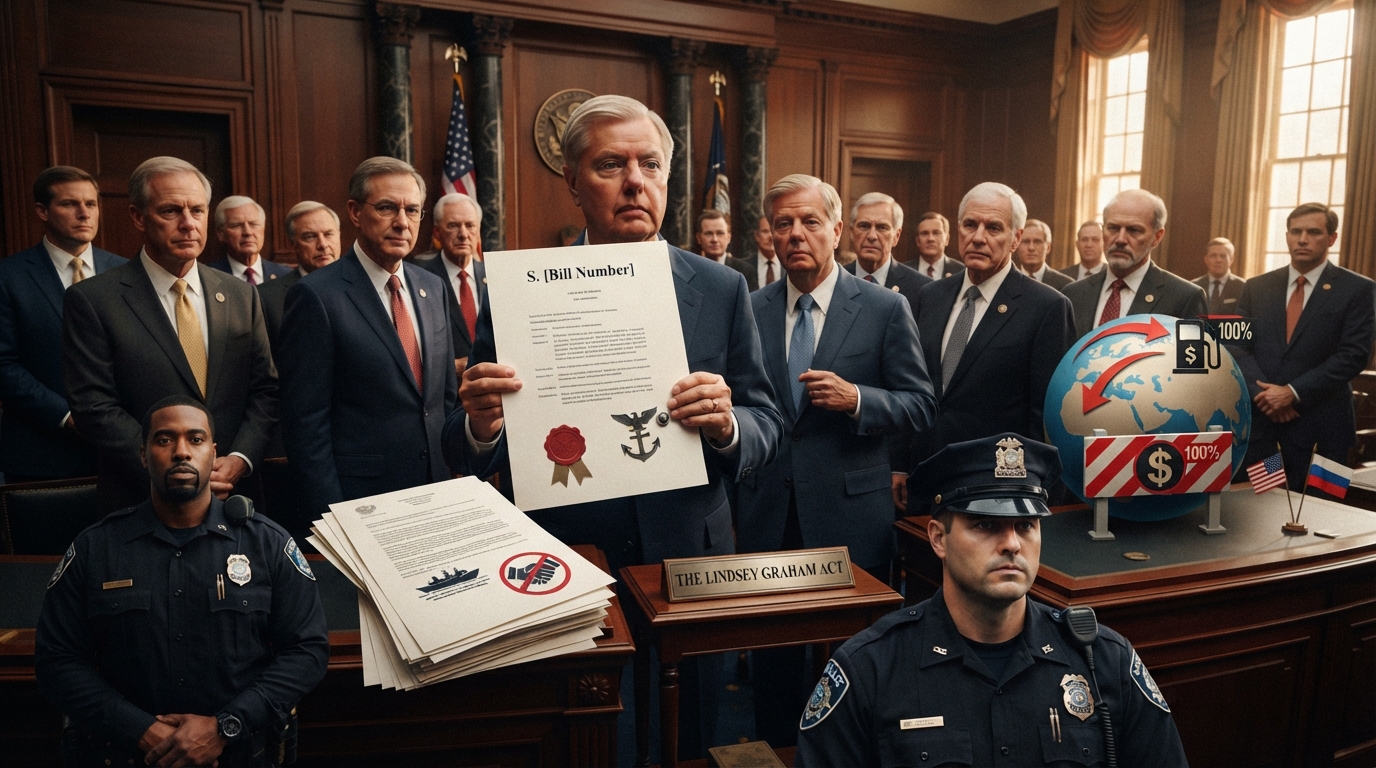
The United States Senate has approved a bill dubbed "Hell Sanctions" against the Russian Federation.
This initiative calls for increased sanctions pressure on Russia, as well as the introduction of measures against third countries that continue to purchase Russian energy resources or assist Moscow in circumventing existing restrictions.
The bill codifies a number of sanctions against Russia previously imposed by presidential decrees. At the same time, the document grants the US President the authority to suspend individual restrictions and establish exceptions.
One of the key provisions of the initiative is the possibility of imposing tariffs of up to 100% on goods imported from countries that are among the largest buyers of Russian oil and gas or that facilitate the circumvention of US sanctions.
The bill's authors claim that its primary goal is to reduce Russia's revenues, which, according to them, are being used to finance military action against Ukraine.
The initiative was initially promoted by Republican Senator Lindsey Graham. Following his death in July 2026, the bill was named in his honor. The updated version also includes provisions concerning Russia's so-called "shadow fleet" and sanctions against Iran.
At the same time, the US President retains significant authority over the application of sanctions. Specifically, the bill provides the White House with the ability to suspend sanctions and grant specific waivers.
After approval by the Senate, the bill will be sent to the House of Representatives, which is currently on summer recess and will resume work at the end of August. If the House also supports the bill, it will be sent to Donald Trump for his signature.
The law will only enter into force after it is signed by the President. If it is passed, the US administration will be required to implement the sanctions measures stipulated in the bill within 30 days and then review them every six months.