

Thames Water boss says leakage targets 'not realistic'
Chris Weston said Thames wanted "to do better" but some of its targets were not achievable.
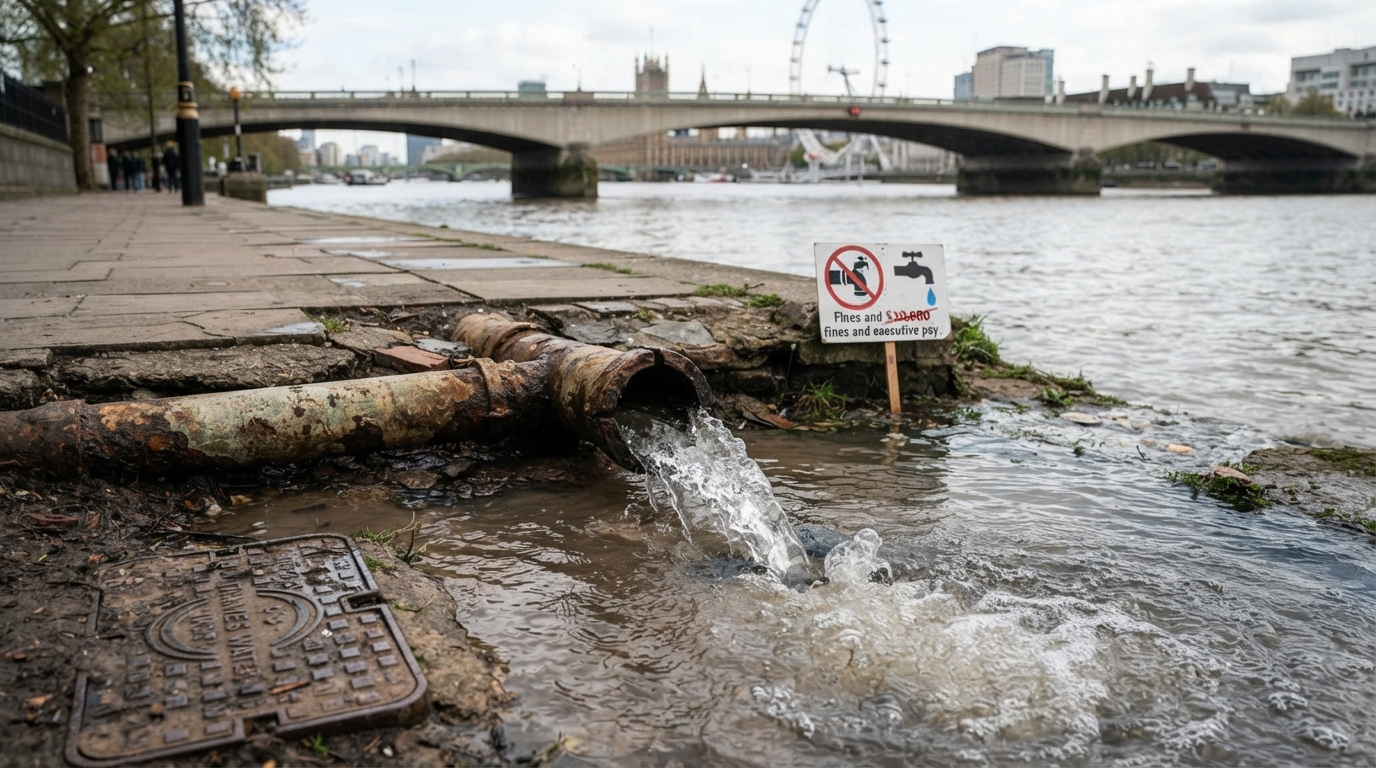
Thames Water's CEO, Chris Weston, has stated that the company's current targets, particularly those related to leakage, are "not realistic." This comes as Thames Water faces significant criticism for its operational performance, including numerous sewage discharges and leaks. The company was fined a record £122.7 million last year by the regulator Ofwat, primarily for violating sewage spill regulations.
Weston acknowledged Thames Water's desire "to do better" but maintained that some of its performance commitments are unattainable. Ofwat, however, countered that company targets are "intended to be ambitious," while an environmental advocacy group asserted that sewage pollution should not be accepted as an unavoidable outcome.
Thames Water, burdened by billions in debt for years, is at risk of being placed under a special administration regime, a form of temporary nationalization. Weston cautioned that such a move could shift the financial burden to taxpayers and instead endorsed a rescue package proposed by the firm's lenders.
Water companies are bound by performance commitments covering various issues, including leakage. While releasing raw sewage into rivers and seas is illegal under "normal" weather conditions, companies are permitted to do so during heavy rainfall to prevent residential flooding. Thames Water, the UK's largest water company, provides water and wastewater services to 16 million customers across London and parts of southern England.
In an interview on the BBC's "Big Boss Interview" podcast, Weston revealed that Thames Water processes 4.3 billion liters of waste daily, with successful treatment occurring "99.5% of the time," though "sometimes something goes wrong." He emphasized the company's ambition "to do better when it comes to pollutions" but reiterated that "the targets that the company is expected to make are not realistic." He cited leakage targets as an example, stating they are "so far in excess of what we are capable of doing, I think anyone would be capable of doing, however much money you invested, that it is not going to be achievable." Weston also suggested that achieving zero pollution was "very, very slim."
Ofwat responded to the BBC, stating, "With around a fifth of water put into supply still lost through leakage, companies must deliver on the commitments they have been funded to achieve. Water company targets are intended to be ambitious and drive better outcomes for customers and the environment." A spokesperson for the Environment Agency added that they and the public "expect Thames Water to comply with the law" and would continue to hold companies accountable for underperformance.
James Wallace, CEO of River Action, criticized Thames Water's "tactics of opacity and deflection," highlighting the company's daily leakage of 570 million liters of treated drinking water while urging the public to conserve water. He dismissed the idea of accepting sewage pollution as inevitable, presenting a choice between supporting a "failed privatised financial model" or placing Thames Water into special administration to rebuild it as a public utility.
The prospect of Thames Water entering a special administration regime, which would allow the government to recover some taxpayer funds if the company were sold to a private buyer, has been a long-standing subject of speculation. New Prime Minister Andy Burnham has advocated for direct public control of utilities. While Weston agreed that greater public control and "an ability to hold us to account" were beneficial, he argued against special administration for Thames, warning of potential investment disruption and taxpayer funding. Instead, he supports a proposal from Thames' creditors that involves writing off approximately £9 billion of debt, injecting new investment, and offering the government a "golden share" with veto power over significant decisions like mergers.
The compensation of water company executives has also drawn widespread criticism. Weston's own pay increased by 14% to £1.163 million in the year ending March, while other directors received bonuses totaling £4.1 million, even as the company warned of potential financial depletion by November. Weston defended these pay levels, explaining that his salary is set by a committee and that the company needs to attract and retain skilled personnel. "We need capable people to help turn this company around. And if we're not prepared to pay market rates, then they won't come to us and they won't stay with us." He acknowledged public anger towards the water industry but felt it sometimes escalated too far, citing "physical assaults of our staff, verbal abuse."
Speaking during a week when over half of England and all of Wales were declared to be in drought, Weston noted the increasing frequency of hot, dry conditions in recent years. "We need to prepare for that and be ready to deal with this in the future," he stated, calling it "absolutely the new normal." Thames Water is among several companies that have implemented hosepipe bans, and Weston suggested that the UK has been complacent about water provision. He highlighted the "pitiful" rainfall since January and February, which were exceptionally wet, and advocated for the approval of more reservoirs. "We do not have enough storage to get through a summer and we have to think about next winter as well without restricting people's usage of water."