

Raw images, no filters: Why MySpace fans want it back as relaunch hinted
Fans and creators say a revived MySpace must feel personal, not algorithm-driven.
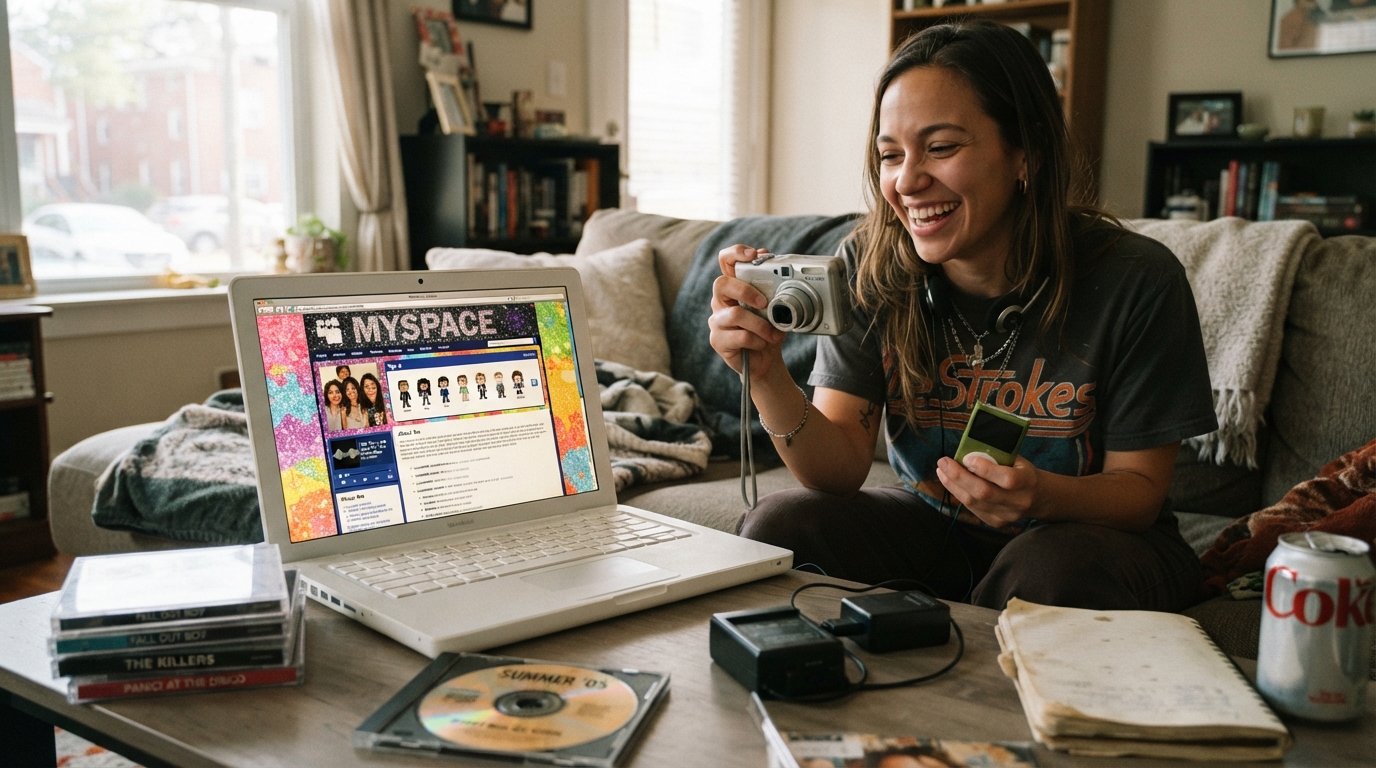
Raw, unfiltered images are among the reasons MySpace enthusiasts are eager for its return, following hints of a relaunch.
Monticah Hawkins, a 31-year-old real estate agent in Atlanta, described MySpace as more than just a website; it was a ritual. She stated, "You could be authentic on MySpace. Upload raw images, no filters. You could have snot coming out your nose and nobody would judge."
MySpace, which was once the world's largest social network, is reportedly considering a comeback. Its owners, brothers Tim and Chris Vanderhook, have indicated plans to relaunch the platform, though specific dates or product details have not yet been disclosed. A spokesperson for Viant, the company that owns MySpace, stated that they currently have "no updates to share."
Nevertheless, the mere suggestion of a revival has sparked nostalgia among those who recall MySpace from over two decades ago as a platform where personal pages were often chaotic, vibrant, and distinctly individual.
The news has also captured the attention of creators such as Melissa Kristin, a TikTok personality with over 900,000 followers. Kristin, who grew up using MySpace, remembers it as a more intimate digital space. She remarked, "It was all very much your own little world, your own corner of the internet."
This sense of autonomy influenced her current online self-expression. Kristin believes that a re-launched MySpace should steer clear of the algorithmic, pay-to-play models prevalent on contemporary platforms. She suggested, "It would be best served for personal connection rather than performance," adding, "Just to recapture that high we felt as millennials when we got all the friend requests and comments. It helped us feel connected."
Launched in 2003, MySpace quickly became a significant cultural hub, instrumental in helping artists like Arctic Monkeys, Adele, and Nicki Minaj gain early recognition. However, its highly customizable pages, auto-playing music, and cluttered layouts eventually became drawbacks.
Facebook's cleaner, simpler design attracted users away from MySpace, which subsequently struggled through various redesigns and changes in ownership before its decline in mainstream popularity.
Marketing experts suggest that any successful comeback would necessitate learning from these past experiences. Dr. Alexa Fox, a marketing professor at the University of Akron, noted that MySpace was a "first mover" in social media but became overly complex for many users. She believes MySpace's original strengths—music, creativity, and personal expression—could still resonate, provided there is a more accessible design. "It could be more user-friendly, with less coding involved," she commented.
Alex Mills, a social media strategist who has managed campaigns for Spotify and Adobe, pointed out that the very feature people are nostalgic for—a feed without algorithms—was also "the thing that killed it." Mills stated, "People still want a feed. They just want a better one than the ones optimising for rage bait."
Kevin McClary, head of performance marketing at Gorilla 76, advises that MySpace should avoid direct competition with platforms like Meta, TikTok, or X. He argued, "They can be successful and sustainable even as a niche platform," suggesting it should be rooted in 2000s culture. McClary believes that leveraging MySpace's musical identity, from profile songs to 2000s-themed festivals and merchandise, could be a strategic move. He also suggested that the audience could extend beyond former users, with younger generations embracing the early-2000s aesthetics they never personally experienced.
McClary observed, "You see younger generations now buying old point-and-shoot digital cameras, MP3 players, even film cameras. They clearly have an interest in the past." He believes MySpace could cater to this trend by becoming a platform centered around a "specific time," noting that creators making 2000s-style content on other platforms are often at the "mercy" of algorithms.
Dr. Fox concurs that differentiation is crucial. She stated, "MySpace shouldn't hang their hat on features other platforms already dominate," citing Reels and short-form videos as examples. While popular formats can be incorporated, she emphasized they should not define the platform. Fox also sees an opportunity for MySpace to offer a calmer user experience, contrasting it with today's "algorithmic-driven AI, constantly in your face" feeds. A platform that offers users more control or simply feels less overwhelming could distinguish itself in a crowded market.
For fans like Hawkins and Kristin, the appeal is both emotional and practical. Both expressed that they would return if MySpace maintained its original essence. For now, its comeback remains largely a promise—a reminder of a time when social media felt less polished and more genuinely personal. Hawkins pondered, "Are you still gonna have that same feeling? Are you still gonna feel like, 'oh my god, somebody loves me?'"