

Peru's new president says military will lead crime operations in emergencies
More than 100 protesters gathered during the inauguration of Peru's first elected female leader.
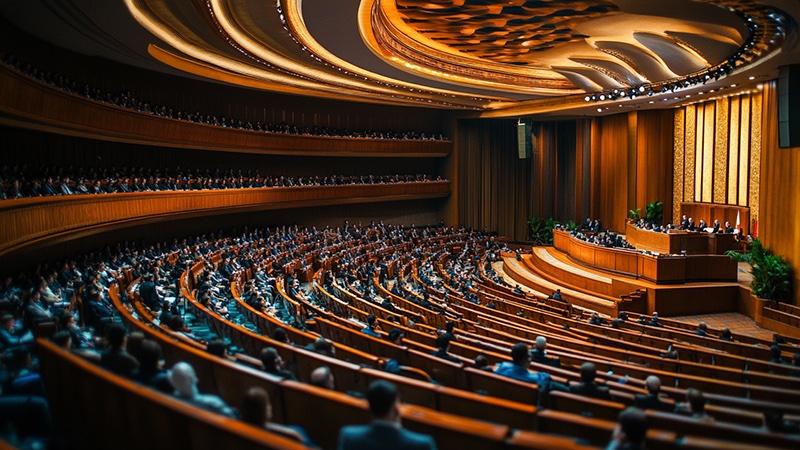
Peru's newly inaugurated president announced that the military would spearhead crime-fighting efforts during emergencies.
Keiko Fujimori, Peru's tenth president in a decade marked by no leader completing a full five-year term, has been sworn in as the nation's first female elected president. She is the latest conservative leader to assume power in Latin America.
During Tuesday's ceremony in Lima, the 51-year-old stated that the armed forces would temporarily take charge of security operations in high-crime areas during emergencies until stability was re-established.
According to AFP news agency, over 100 protesters gathered in the capital to demonstrate against Fujimori's inauguration. Many were relatives of victims of state violence, including some from the presidency of her father, Alberto Fujimori, who was imprisoned for corruption and human rights abuses during his 1990s campaign against a left-wing guerrilla insurgency. Riot police clashed with demonstrators in Lima on inauguration day.
Keiko Fujimori's inauguration was attended by several foreign dignitaries, including the right-wing presidents of Argentina, Ecuador, and Chile.
In June, she narrowly defeated her left-wing opponent, Roberto Sánchez, in a presidential run-off, marking her fourth attempt to win the presidency.
In her inaugural address, Fujimori described Peru as being in a catastrophic state but emphasized the country's immense potential. Her campaign heavily focused on a hardline stance against insecurity, as she declared that the military would occasionally assume responsibility for maintaining order in areas with high crime rates.
"During states of emergency, the armed forces will temporarily take the lead in security operations," she affirmed, a statement reminiscent of the military's role under her father, who passed away in 2024.
She also pledged to safeguard citizens from the impacts of the El Niño weather phenomenon and to raise the minimum wage, noting that inequality in Peru was the highest in Latin America.
Peru is currently grappling with its most severe security crisis in decades, exacerbated by the proliferation of local and foreign criminal organizations involved in contract killings and extortion. Insecurity and instability were key factors influencing voters in Peru's closely contested presidential race, which saw the previous president removed from office amidst escalating crime.