

Nigeria's president orders a 80% salary increase for junior soldiers
The announcement comes as Nigeria's security forces struggle to contain multiple threats.
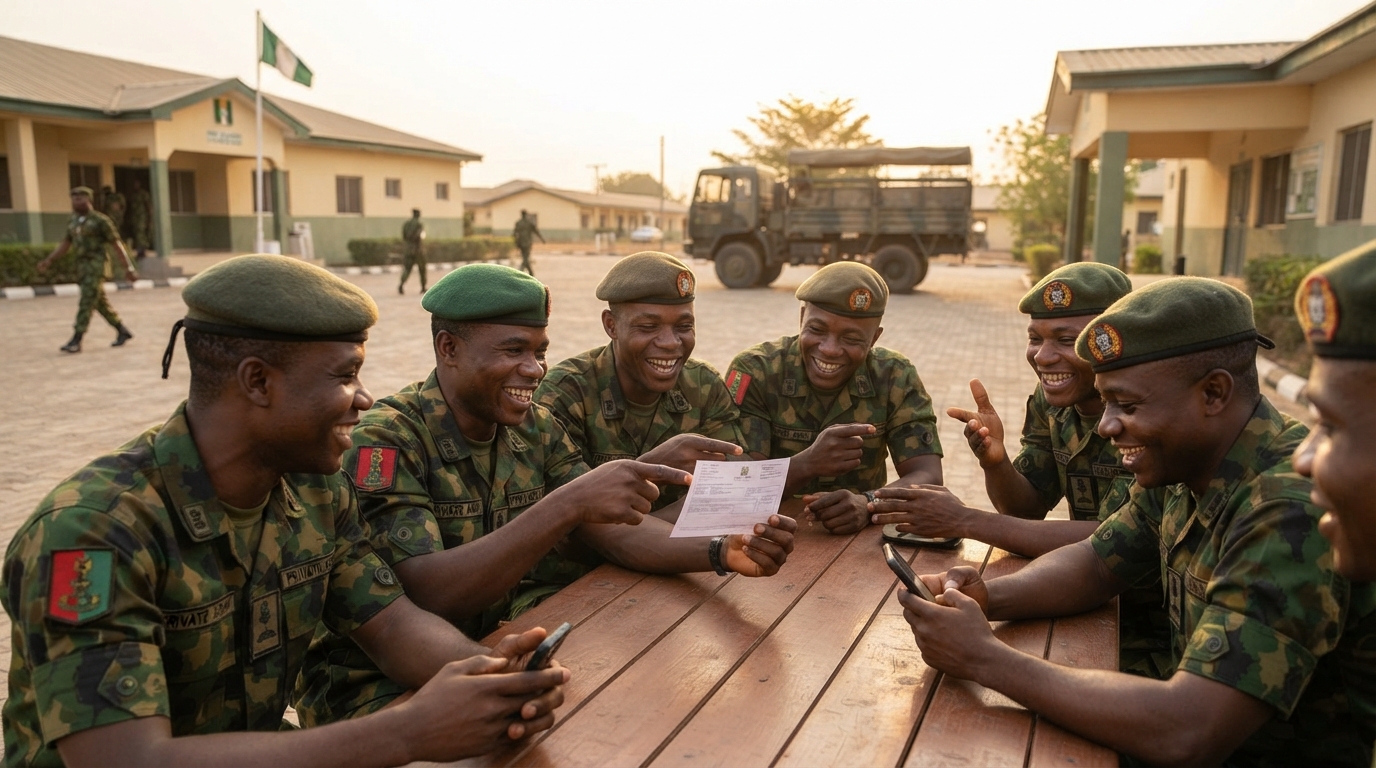
Nigerian President Bola Tinubu has mandated an 80% pay raise for the nation's junior soldiers, marking their second salary increase within a month. This significant boost, which will see the lowest-ranking privates' monthly wages rise from $73 to $132 starting in September, is a gesture of the government's "deep appreciation" for their efforts in combating Nigeria's severe security challenges.
The president's directive is part of a broader strategy to combat widespread violence from various armed factions, including Islamist militants and criminal kidnap gangs, often referred to as "bandits." Last month, Tinubu initiated the recruitment of 28,000 additional soldiers and the establishment of four new army divisions, bringing the total to 12 divisions nationwide for improved coordination and response.
Announcing the salary adjustments, President Tinubu commended the armed forces for their courage and sacrifices in confronting "the scourge of banditry, kidnapping and terrorism." He emphasized the importance of supporting and appreciating those who ensure national safety, stating, "Together we shall prevail over the enemies intent on destroying the fabric of our nation."
Despite increased military deployments and spending by successive governments, Nigeria continues to grapple with widespread insecurity. Islamist groups like Boko Haram and the Islamic State West Africa Province (ISWAP) remain active in the north-east, while heavily armed criminal gangs operate in north-west and north-central regions, engaging in looting and kidnappings for ransom. Other challenges include separatist unrest in the south-east and deadly land disputes between farmers and herders.
The salary increases are tiered, with the most junior personnel receiving the largest hikes:
* Privates up to staff sergeants: 80%
* Warrant officers up to colonels: 50%
* Brigadier generals up to generals: 30%
This will elevate the military's annual wage bill from $484 million to $678 million.
Retired Major General Bashir Galma, a military expert, welcomed the move to the BBC, calling it "what we have been calling for a long time." However, he expressed concern about the sustainability of such funding for future administrations. Serving personnel have indicated they will reserve judgment until the new salaries are reflected in their bank accounts.
Galma also advocated for similar pay reviews for other security agencies, stressing that national safety is a "joint effort." Beyond salaries, he highlighted the need for attention to broader welfare issues, including uniforms, boots, and critically, new rifles to address ongoing crises.
President Tinubu has affirmed his administration's commitment to prioritizing troop welfare and modernizing the armed forces with necessary weapons and technology to counter security threats. The ongoing insecurity has become a significant political issue in the lead-up to the 2027 elections.