

July heat sets new records across several regions in Uzbekistan
Uzbekistan’s average July temperature was 1.3−2.3°C above normal. Extreme heat peaked on 18−19 July, setting new records in several regions. Temperatures of 40 °C or higher lasted 3−8 days in central and eastern areas and 9−18 days elsewhere.
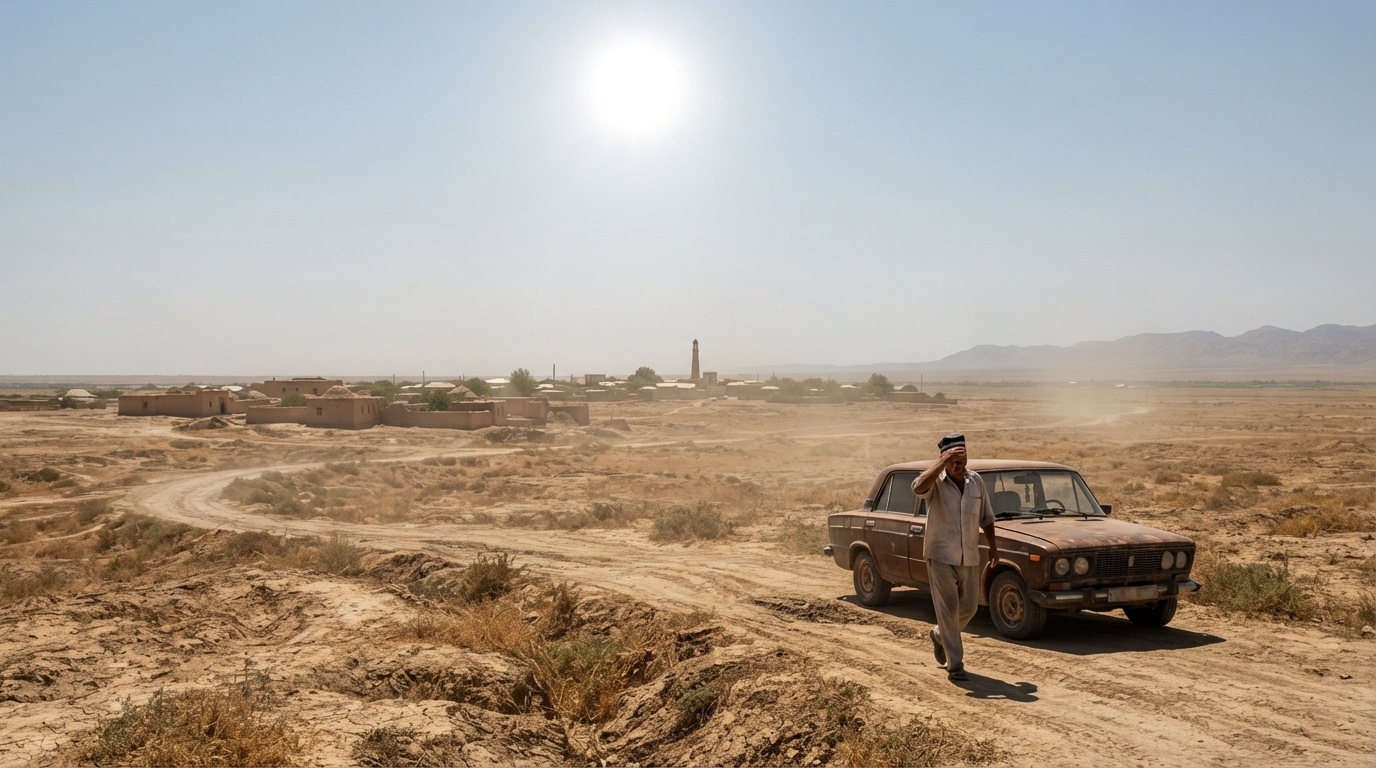
July of 2026 brought unprecedented heat to Uzbekistan, with several regions experiencing record-breaking temperatures. The average monthly temperatures across most of the country were 1.3 to 2.3°C higher than the seasonal average. In the northern and desert regions, this increase was even more pronounced, with temperatures soaring 2.5 to 2.8°C above normal, according to the Hydrometeorology Agency (Uzhydromet).
The month began with an uncharacteristic cool spell, as temperatures dipped 3 to 5°C below normal, and daytime highs hovered between 27 and 32°C. However, this brief respite ended around July 6, when temperatures began a steady ascent.
The most intense period of heat gripped the nation from July 18-19, though northwestern Uzbekistan felt its effects approximately two days earlier. During this peak, daytime temperatures reached 43-45°C across much of the country, with southern and desert areas sweltering at 46-50°C.
Numerous regions established new July temperature benchmarks. Notably, the regional capitals within the Fergana Valley surpassed their previous record highs on two separate occasions. Tashkent recorded a temperature of 44.3°C on July 19, just 0.3°C shy of its all-time record of 44.6°C, which was set on July 18, 1997.
Nights offered little relief, as temperatures remained elevated. During the height of the heatwave, overnight lows ranged from 25°C to 28°C, climbing to 30-33°C in parts of the south and desert zones.
A brief influx of cooler air at the start of the final third of July temporarily brought temperatures back to near or slightly below normal. Yet, by the close of the month, temperatures had once again risen, settling 2-3°C above normal.
The number of days exceeding 40°C was significantly higher than the long-term average. Central and eastern Uzbekistan experienced 3 to 8 such days, while most other regions saw 9 to 18 days. Parts of the far south and the Kyzylkum desert endured 19 to 23 days with temperatures at or above 40°C.
Precipitation patterns varied across the country. Khorezm, Bukhara, Navoi, Kashkadarya, and Surkhandarya regions remained dry throughout July, which is typical for the month. Conversely, Karakalpakstan, Tashkent, Syrdarya, the Fergana Valley, and portions of Samarkand and Jizzakh regions received isolated, short-lived showers. Heavy rainfall was reported in the mountainous areas of Tashkent, Namangan, and Fergana regions.
Strong winds, reaching 15-20 m/s, were observed in various parts of the country. Wind gusts peaked at 22-25 m/s in Nukus on July 1 and in parts of the Ustyurt plateau (Zhaslyk) on July 19. Some areas also experienced dust storms.