

How a 90-second power outage sparked chaos for rail commuters
The incident raised questions about how a disrupted power supply can have such a widespread impact.
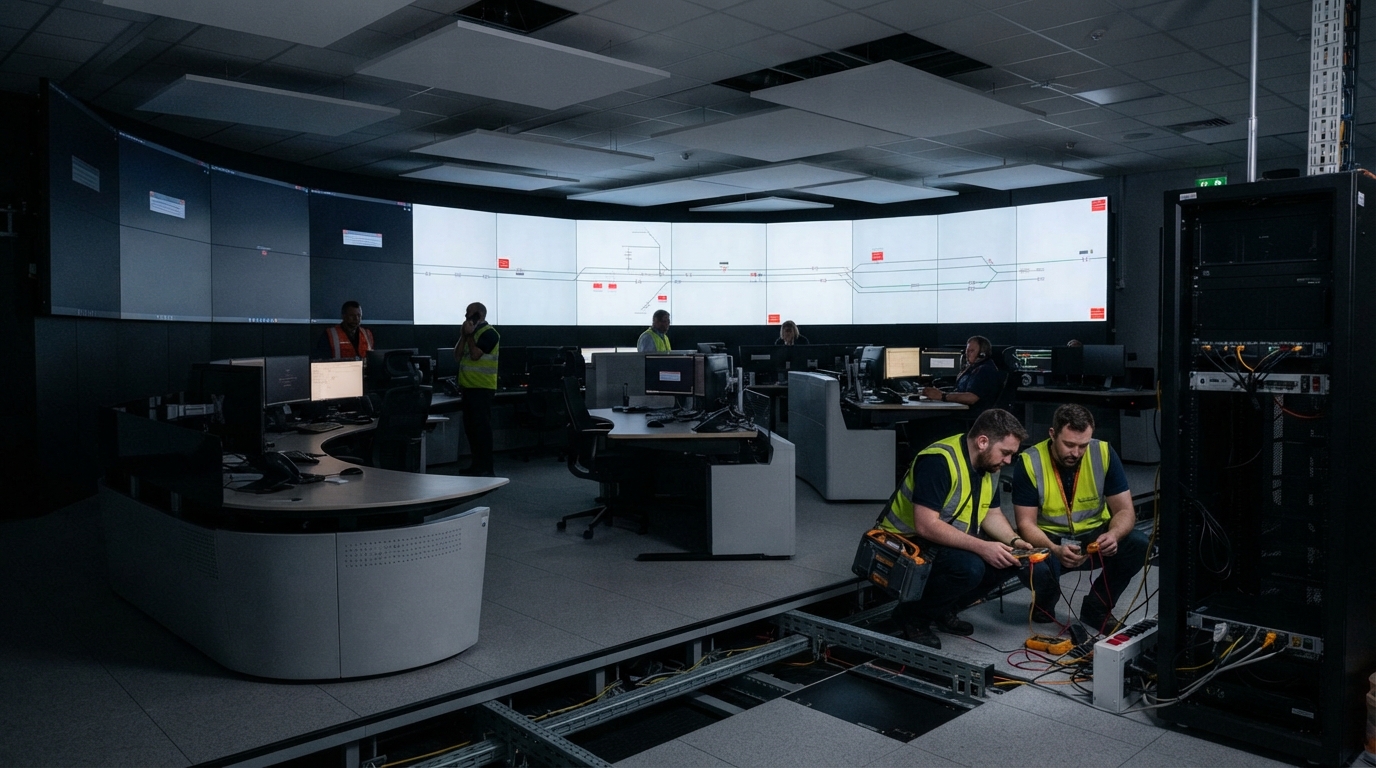
A brief 90-second power outage at a Network Rail operations center in Manchester triggered widespread disruption for rail commuters, prompting scrutiny of the publicly-owned body responsible for Britain's railway infrastructure. The incident, though rare, has raised concerns about the extensive impact a localized power failure can have.
The problem originated at Network Rail's Manchester operating center, which manages crucial controls for train movements across large sections of the North West. A power cut in the area, resolved in 90 seconds, caused the center's backup power supply to fail to activate as quickly as anticipated, despite its critical importance.
The power failure affected the railway's signaling systems, akin to traffic lights, forcing trains to halt. While systems were rebooted, damage to the signaling controls necessitated the replacement of certain parts, prolonging the repair process. The extensive impact is attributed to the high volume of trains and crews displaced across the North West and beyond.
Network Rail has issued an apology to customers and launched an investigation. Management stated that engineers are actively working to "build additional resilience into our signalling systems to ensure that this doesn't happen again."
The incident highlights potential vulnerabilities in Network Rail's strategy of consolidating control into 12 "Rail Operating Centres" across Great Britain, replacing hundreds of older signal boxes. The Manchester center, opened in 2014, is one such high-tech hub. Experts, including rail writer Christian Wolmar, have cautioned that this consolidation means a severe impact on one center can significantly disrupt a large portion of the network. Wolmar questioned the wisdom of centralizing all signaling and communications into a limited number of locations, urging a focus on both resilience and the appropriateness of this approach.
While there's no direct link between this incident and other recent rail issues like speed restrictions during extreme heat, it is unlikely to reassure passengers who have faced poor operator performance, strikes, and rising ticket prices in recent years. Regulated fares in England have been frozen this year.
Rail engineer and writer Gareth Dennis connected the incident to Network Rail's funding pressures and job cuts, raising questions about staff resourcing and the adequacy of personnel for essential checks, such as those on power supplies.
Network Rail operates on five-year funding settlements approved by the government. The latest settlement, for 2024-29, allocated £44.1 billion, a £3 billion increase from the previous five years. However, rising costs due to inflation and an increase in extreme weather events have placed significant strain on its budget. Former chief executive Andrew Haines, introducing the new business plan, acknowledged that the constrained budget would require funding to "go further than ever before."
The government's current rail policy aims to nationalize remaining passenger rail operators and integrate train services and infrastructure under a new entity, Great British Railways. Network Rail is expected to be abolished as a separate entity, with some joint management teams already established. The significant question of taxpayer funding for passenger rail services and infrastructure investment remains pertinent amidst squeezed government budgets.
Additional reporting by Mark Allison indicates that Network Rail anticipates less reliable infrastructure.