

Germany deports 31 Afghans, including one with no criminal record
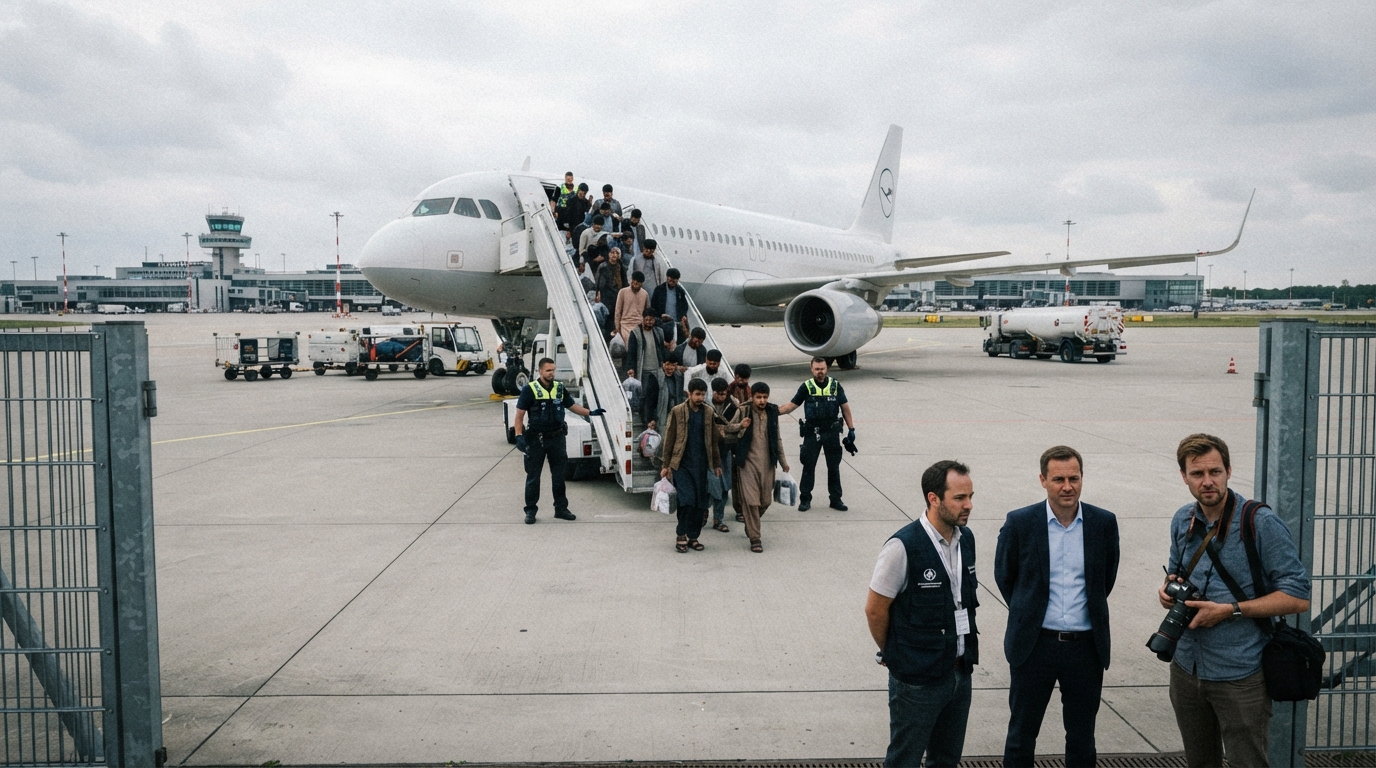
On July 28, Germany sent 31 Afghan men, one of whom had no criminal record, back to Kabul. This action followed Interior Minister Alexander Dobrindt's indication that future deportations to Afghanistan might not be restricted to only convicted criminals or individuals deemed security risks, as reported by InfoMigrants.
The charter flight departed from Leipzig/Halle Airport. This was made possible by an agreement between the German government and Taliban authorities, which allows for direct returns to Afghanistan.
Dobrindt stated that most of the individuals on the flight had been convicted of serious offenses, including homicide, rape, and violent crimes. However, he confirmed that one passenger had no criminal history. According to the interior minister, this man was ordered to leave Germany after his asylum claim was definitively rejected. He had previously sought protection in another European country but was later found to be living there irregularly before being transferred back to Germany.
Dobrindt emphasized that deportations are not exclusively for those with criminal convictions. He stated, "People who have no right to stay in the country can also be subject to deportation if there are no signs they have integrated in Germany." These remarks suggest a potential broadening of Germany's deportation policy beyond the government's previous focus on individuals convicted of serious crimes or considered security threats.
A spokesperson for the Interior Ministry affirmed that the government would continue to prioritize convicted offenders and individuals deemed dangerous. However, they also confirmed that individuals without criminal records could legally be included on deportation flights. The government's coalition agreement specifies that deportations to Afghanistan would initially target individuals with criminal convictions but would not necessarily be limited to them.
Under Germany’s Residence Act, foreign nationals can be deported if they are legally required to leave the country, their departure deadline has passed or was not granted, and there is no legal prohibition against deportation in their specific case.
The mention of "integration" has drawn criticism from migrant and refugee rights organizations. They argue that the concept lacks a clear legal definition, potentially leading to inconsistent or discriminatory application.
The recent deportation was facilitated by direct cooperation between the German government and Taliban authorities, enabling Germany to arrange returns without relying on intermediary countries. Germany resumed deportations to Afghanistan in 2024, having suspended them after the Taliban regained power in 2021. Since the restart, over 200 people have been returned to the country.
This latest flight occurred after reports that Taliban authorities had previously refused to cooperate with a planned deportation operation in early June, highlighting the political and logistical challenges involved in organizing returns. Germany does not formally recognize the Taliban government due to its human rights record. Nevertheless, Berlin has engaged with Taliban authorities on a practical level to facilitate deportations.
Human rights organizations have expressed concerns about the safety of deportees, citing Afghanistan's ongoing humanitarian crisis and the restrictions imposed by the Taliban. Rights advocates have also warned that Afghan men may face risks if they are perceived as not adhering to Taliban social and religious rules. Legal experts have argued that some men could face persecution based on their appearance, clothing, or perceived adoption of Western lifestyles.
The deportation policy has also faced criticism amid reports that at least five Afghan men without criminal convictions are currently held in deportation detention in Germany. According to the Bavarian Refugee Council and the Jesuit Refugee Service, some of these men had been granted "Duldung," a temporary tolerated stay given to individuals whose deportation cannot currently be carried out. The men reportedly came to the attention of authorities after traveling outside Germany despite restrictions attached to their status.
This latest deportation takes place as Chancellor Friedrich Merz’s government pursues stricter migration policies, amidst increasing support for the far-right Alternative for Germany (AfD) ahead of state elections. Afghanistan continues to grapple with a severe humanitarian crisis, marked by declining international aid and millions experiencing food insecurity and acute malnutrition.